- Learn what NFTs are and the technology behind them
- Empower artists, reduce piracy, and eliminate middlemen
- Discover the range of unique ways artists can leverage them
- Also, check out our post on the best ways to create music merch!
NFTs, or non-fungible tokens, are one of the newest advancements making waves in the music industry. It’s not just in entertainment, though.
In many verticals, NFTs are one of the hottest – and most confusing – topics. The tech has a lot of potential, but if that will sustain itself in the long run and to what extent remains to be seen.
NFTs operate on the blockchain through distributed ledger technology (DLT). This type of decentralized database provides a secure, tamper-proof environment for transacting, providing an immutable record of each transaction.
Let’s dive into how NFTs pertain to the music industry, how they’ve already introduced a significant change to the status quo of the business, and what the future might hold.
The Changing Technology of the Music Industry
From vinyl to cassettes to CDs to streaming, how music is digested is a landscape that’s always guaranteed to change.
Since streaming services have gained a stranglehold that offers royalties at a small percentage of what they rightfully should be, NFTs are already making waves as the next significant shift in the business.
According to the RIAA, digital music services generate almost 90% of recorded music income in the United States. NFTs bring unique advantages that can be leveraged to generate additional revenue in other ways.
Streaming royalties leave artists figurative table scraps when it comes to royalty income. But it depends on who the rights holders are and what their stake is in the product.
Generally, artists only get around 5% of the revenue from streaming, but the percentage differs based on the platform.
Ways NFTs Could Disrupt the Music Industry
If history is any guide, the music industry always plays “catch-up” regarding emerging technologies. CD Burning, the rise of .mp3s, and illegal downloading are just some of the things that have disrupted the industry in the past.
NFTs and the blockchain seem to be next in line. But unlike what came before, NFTs give power back to the artist.
Let’s review what they are and how they’re causing much-needed disruption in the music business.
What are NFTs?
NFT is an acronym for “non-fungible tokens.” The word fungible means replaceable. Every NFT is unique or non-fungible. This means they can’t be copied, duplicated, or replaced.
They can be traded and sold through an NFT marketplace (more on that later), with the blockchain ledger providing an official record.
Types of Music NFTs

Have you ever rushed to get a limited release of some by your favorite artist, whether online or in-store? The concept of music NFTs is pretty similar.
They can be almost anything, an entire album, a song, a music video, concert tickets, artwork, meet-and-greets, merchandise, and so much more.
When you purchase one, you get a digital “certificate of authenticity.” These exist on the blockchain, meaning they can’t be altered or deleted, only transferred – with every transaction recorded.
One of the best things about NFTs is they allow artists to use their creativity to develop exciting and creative offers. They create an additional revenue stream for musicians, and they can be traded through NFT marketplaces.
Musicians get a much higher percentage (or 100%) of royalties, and ownership rights are documented through the blockchain. This makes them virtually immune to tampering, and their validity is easily verified.
Unlike how the music business has operated for so long, NFTs mutually benefit artists and fans. The artist gets fair compensation for their work, and fans can support the artists and receive an authentic collectible.
How Are NFTs Changing the Music Industry?
1. They Strengthen the Relationship Between Artists and Fans
Yes, NFTs have upside down the traditional relationship between artists and labels. But it’s how it changes the relationship with the fans as well.
This type of business engagement has been in flux for years (look up 360 deals…), but most artists were still at the mercy of their labels and those above them on the food chain.
As artists evolve creatively from a business perspective, their goals change. This doesn’t always align with what the label wants or the structure of their contract.
A few years ago, crowdfunding was the only way for artists to source money independently. NFTs changed that.
Where crowdfunding isn’t a sustainable model, NFTs offer fans a way to support artists and provide the potential for financial return by owning something valuable. This changes the nature of the interaction between artists and the fans.
It becomes more of an investment model, with fans having an active interest in artists succeeding, so the value of their NFTs increases. They’re changing the concert experience too.
Through NFTs, fans can get unique experiences like backstage passes and meet and greets.
It’s also changing the game with ticketing, which has been under a stranglehold by organizations like Ticketmaster for decades. They help minimize scalping and fake ticket scams.
In the end, NFTs break down some of the barriers between artists and fans, creating a stronger relationship overall.
2. No Middleman
Traditionally, artists signed to labels and/or management contracts had to give a cut of their profits to it. Especially if the artist received an advance, a topic all its own.
This situation was much more common a few decades ago, but it still happens – usually only in rare instances.
For so long, artists were at the mercy of the contract they worked so hard to be offered. NFTs changed that, disrupting the status quo of the music industry.
Labels aren’t unaware of the power and reach of NFTs. Top players like the Universal and Warner Music Groups have integrated them into their marketing strategies.
At the core, NFT technology has the power to minimize the amount of “middlemen” involved in the revenue distribution process. This makes the artists the majority earners of what they release.
3. Piracy Reduction
Piracy has been an issue in the music business since the days of cassettes, but the early millennium and takeover of the digital age made the most significant impact.
It’s less so now with the iron grip streaming has on the industry overall, but there are easy ways around that.
NFTs are a great answer to this since they’re each unique and are difficult to counterfeit. So if an artist releases their music as a non-fungible token, piracy almost becomes a total non-factor. They’re intellectual property.
If pirated or used against the owner’s rights, it’s still copyright infringement. This opens up the pirates to legal action. And reducing it or preventing it together helps keep the music business economy moving.
4. Artist Empowerment
One of the biggest benefits of music NFTs is how the technology empowers artists to continue being creative and releasing new material, merchandise, and offerings.
For decades it was de facto in the music industry for artists (especially new ones) to be locked into agreements that were much more beneficial to the other parties involved, like labels and management companies.
Regardless of the revenue stream, these “powers that be” likely got first dibs on income and then distributed it downstream to the artists.
They are a great source of additional revenue and creative/intellectual property control. NFTs help to balance out this predacious relationship.
Another great thing about NFTs empowering artists is they appeal to any size of fanbase. They incentivize hardcore fans to own something that is rare or limited edition with the peace of mind that the value can be verified.
NFTs also hold value long after artists stop making music, providing long-term worth.
5. A New Form of Investment
It’s no secret the revenue landscape of the music industry has changed drastically (again…) over the past decade.
As record sales stagnated and streaming services took over, business-minded people were open to new investing methods. And while the advantages of NFTs to the artists and fans are apparent, they also hold significant value to investors.
The concept is like with any stock, betting on positive trends in the future. Investors take the gamble that the NFTs will appreciate in value when resold or by hardcore fans with the desire and means to pay top dollar for exclusive content.
Venture capitalists are pumping solid amounts of money into startup NFT organizations, and social media juggernauts are also realizing the technology’s untapped potential.
It’s not just the NFT space, either. Investment capital is being funneled into various companies within the music blockchain.
Music NFT companies are popping up left and right in more verticals than you can count. Though this does add saturation to the overall market, it’s pushing innovation and new ideas forward into the W3 future.
6. NFT Technology Evolving
Last but not least is where NFTs will go in the future. As with all the substantial shifts in the music industry over the years, the best accomplish two things: they improve the issues of the day and expand possibilities.
As Web3 and the “metaverse” gain momentum, we’ll likely see several ways NFTs evolve. Some high-profile artists use them to perform virtual concerts; some artists/groups were even born in the metaverse.
As far as the music business has come in the digital age, the wildest things have yet to be seen.
NFT Marketplaces
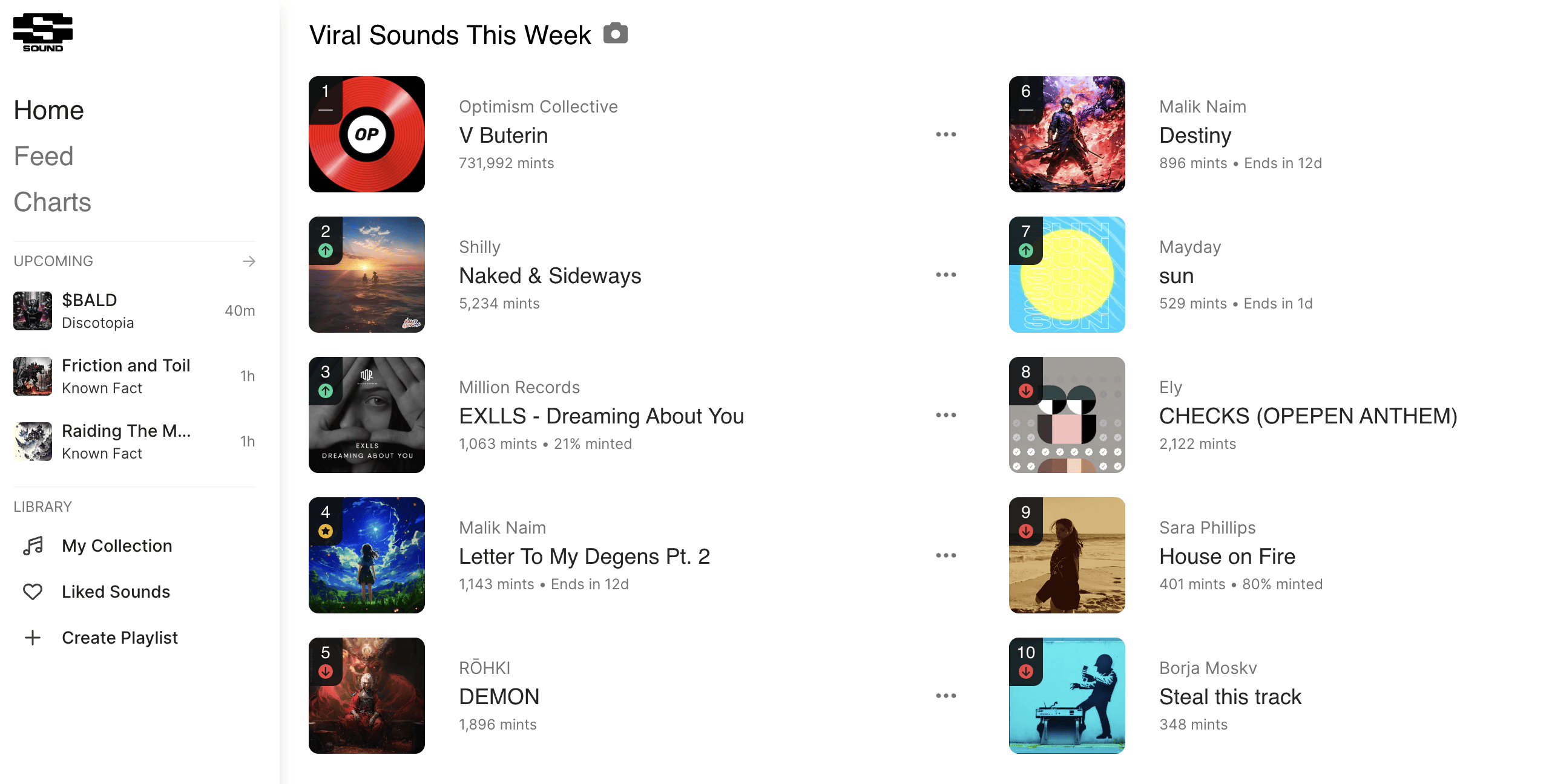
Like other things on the blockchain, NFT marketplaces are popping up everywhere. The more common ones are OpenSea, Sound XYZ, Catalog, Royal, and LooksRare, but these are just a few of many.
As internet capabilities continue to evolve, you’ll likely see NFTs become more and more commonplace and more trustworthy marketplaces to acquire and manage them. They will continue to become more sophisticated and break down barriers.
Startups and the Future of NFTs in the Music Industry
NFT startups are always chasing the next-breaking idea. Elacity, an NFT digital rights management firm, is changing the way smart contracts are handled.
“We’re creating an environment where creators can encrypt and distribute NFTs globally that can be unlocked with specific rights,” says Sash Mitchell of Elacity.
“These types of keys can’t be duplicated. But they can be bought and traded, generating immediate royalties for all involved parties. It’s an inclusive online economic model that functions through user-owned identities, encryption, and NFTs.”
Alan Vey is the CEO and Founder of Aventus. They’re addressing a different side of the idea. “Aventus is a fully customizable whitelabel NFT platform infrastructure for brands. Our focus is on empowering them with control – ensuring data ownership, and delivering a seamless user experience. Our unique approach centers around interoperability, allowing for easy integration with existing systems. We also provide valuable features like insurance and fraud protection.”
It’s clear that blockchain technology is here to stay. In fact, it’s one of the primary components of the emerging Web3 model.
As it matures and new issues arise, there will be a number of companies that offer not only solutions around new and emerging issues but ideas on how to make blockchain capabilities even more relevant to the specific concerns around music business operations.
FAQs
Can You Sell A Song As An NFT?
Yes, songs are one of the most common types of NFTs. The process of doing it depends on the marketplace.
How Big Is the NFT Music Market?
There is endless potential in the NFT music market. As NFTs become more commonplace and accessible, the limits of what’s possible will expand even further.
Which Notable Music Artists Have Utilized NFTs?
NFTs benefit artists of all genres. Pop stars like Shawn Mendes have released them, rappers like Snoop Dogg, Eminem, and Ja Rule, rock bands like Kings of Leon, and even electronic artists like DeadMau5, just to name a few.
In the future, more high-profile artists will factor NFT technology into their work.
Wrapping Up
Undoubtedly, NFTs can continue to shake up the music industry. The question is, will this forward-thinking technology last, or is it just another passing fad?
It will be exciting to see how NFTs continue to evolve and shake up the status quo in a music industry that desperately needs them.
Let us know your thoughts in the comments.
To learn more, check out our interview with Emanate about Music On The Blockchain!