- Dive into the ancient origins of flutes, crafted by Neanderthals 50,000 years ago.
- Explore the diverse cultural influences on flute design
- Learn about the two main types: fipple and transverse flutes
Flutes are one of- if not the oldest instruments in the world. Rivaled in age only by the hand drum, this instrument has been woven into the history of humanity itself.
I’ve always been drawn to flutes.
Ever since I was a small child, I’d nab any fipple flute within reach. I used to steal my mom’s 6-holed Irish penny whistle from the drawer and spend hours playing it in my treehouse.
Then I switched to the recorder… and finally settled on the Western-style metal flute as my main instrument. I have a medium-sized collection of various flutes, including soprano and alto recorders, wooden folk flutes, ocarinas, and more…
Flutes have gone through so many cultures and changes that it’s difficult for the most seasoned music history buffs to keep track of all of them.
In this article, we’ll discuss the origin story of the flute. I’ve also included some audio recordings of me playing various types of flutes, in order of their historical creation! Enjoy!
Flute History Timeline
- Prehistorical Flutes (The Stone Ages)
- The Flute of the Renaissance (14th-17th Centuries)
- The Baroque Era Of Flutes (17th-18th Centuries)
- The Classical Era Of Flutes: Tromlitz and Quantz (18th Century)
- The Advent Of The Modern Western Flute (19th Century)
Prehistorical Flutes (The Stone Ages)
The first flute is theorized to have been created in China and made from bone. Two of the oldest instruments historians have found are both flutes.
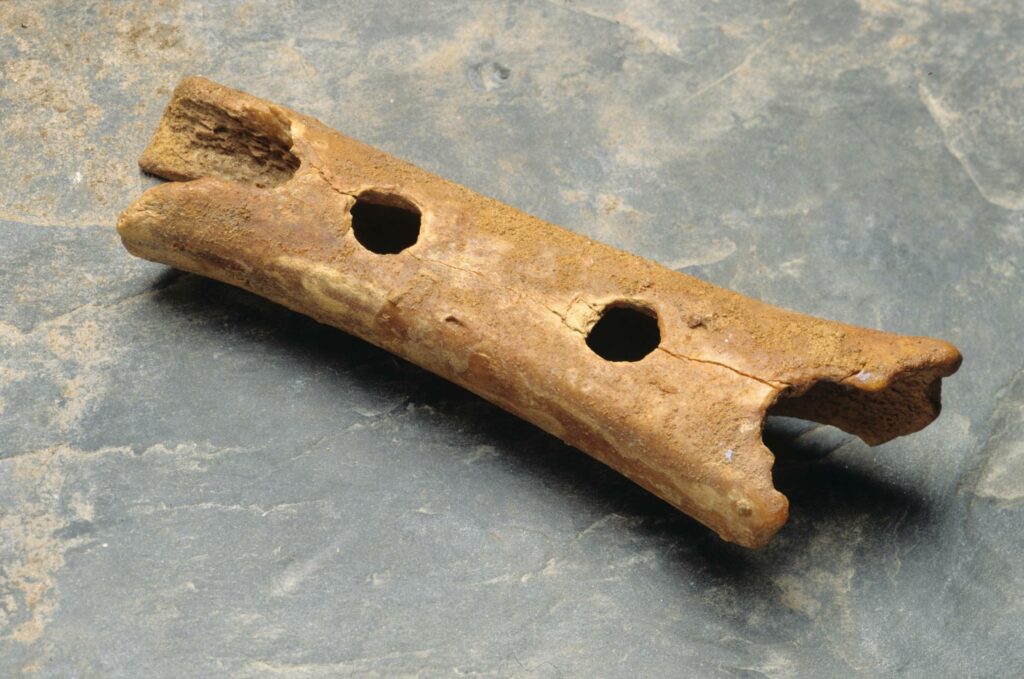
The oldest found flute was discovered in Slovenia. It was made by Neanderthals a whopping 50,000-60,000 years ago, and was carved out of the femur of a cave bear.
It’s crazy to think that the first flute was before humans. You can take a listen to it in the video below.
Another important bone flute was found in a mountainous area in Germany about 40,000 years ago. Before the one found in Slovenia, this was considered the oldest.
But just because these two regions are where we found the oldest flutes doesn’t necessarily mean that that’s where it originated!
Personally, I believe that it’s no coincidence that multiple cultures across the world came up with their version of a flute. Maybe flutes are human nature.
Key Regions and Early Developments
Other world regions essential to the flute’s development include ancient Egypt, Greece, and Rome. In the Medditerean, and double-piped flute called the Aulos (Tibia) was created.
It sounds like a combination between a clarinet, oboe, organ, and flute, and almost looks like the player has two recorders in their mouth.
I find the Aulos to be one of the most haunting woodwinds- dare to take a listen to it here. The flute clearly impacted the way later woodwinds like double reeds were created- but that’s a rant for another day!
Sideway flutes were first made in Europe in Paleolithic times (about 2.5 million years ago). Like the earliest flutes, these were also made out of bone and wood. This development may have been made in China with a wooden flute called the ‘Chi’.
Later, the ‘Dizi’ (pronounced like Deet-zuh) was developed. The side-blown flute was popular in Germany long ago but didn’t appear outside the country’s perimeters until the 1300s.
France had significant resistance to the ‘German flute’, which I find comical, as it seems the two countries have been having a petty fight for over 600 years…I digress!
The Flute of the Renaissance (14th-17th Centuries)
With the Renaissance came a renewed vigor for the arts. But by the time we got to this era, Western flutes still didn’t have keys yet!
These flutes usually had 6-7 open holes and managed around 2 octaves. Compared to the 3+ octave modern flute, these were still quite limited regarding range.
To make up for this, the flutes were made in various sizes, like recorders were.
We didn’t start seeing flutes that were any semblance of close to modern-day ones until the Baroque era, which was between 1600-1750.
During the Renaissance, flutes were exclusively used in groups. But that was all about to change…
Fun Fact! It’s also important to note that a similar instrument, the recorder, also emerged from Medieval Europe around the 14th century. At the time, it was still called a flute (and it is one of sorts).
The Baroque Era Of Flutes (17th-18th Centuries)
The Baroque era added a single metal key to the instrument– but this was monumental. This was often called a ‘traverso’ flute, and it was very popular during orchestras in the 16th and 17th centuries.
Another change to the instrument was a tapered end, which made the instrument better in tune and more suitable for solo playing.
Like modern-day plastic recorders, the Baroque flutes now had three sections instead of one: a head joint, body, and foot joint. A man named Jean Hoterre may have perfected the Baroque flute, but the history could be clearer.
This period was around when we started to see the first metal flutes, but they were far from common.
The Classical Era Of Flutes: Tromlitz and Quantz (18th Century)
The Tromlitz Flute is another key flute, which was made just after the Baroque era ended. It’s commonly referred to as “the most significant Western flute before the Boehm flute”, which I’ll get to later.
Johann Tromlitz was a German flute maker and the first person to make a useable, standardized model of a chromatic flute. With this flute, each note had its own tone hole. It was developed in the late 1700s when the Western flute began taking off.
There was also something called a Quantz flute (created by composer and virtuoso Johann Quantz), which had five different parts, a different, more oval-shaped embouchure (mouth) hole, and two keys instead of one.
Many music historians think that Tromlitz’s ‘advances’ to his flute were modeled after the work of Quantz, but Tromlitz was the first to standardize it.
Mozart lived around this time period, and I think it’s worth noting just how much he despised the flute, even though he wrote concertos for it.
He supposedly even said, “What’s even worse than a flute?…Two flutes!” which is a joke that continues to be popular among us instrumental music educators.
This instrument still had its sonic limitations and tuning issues, which were deal-breakers for this prodigy.
The Advent Of The Modern Western Flute (19th Century)
The modern Western flute, also known as the Boehm flute, was invented in the mid-19th century by Theobald Boehm, a German inventor and flute player.
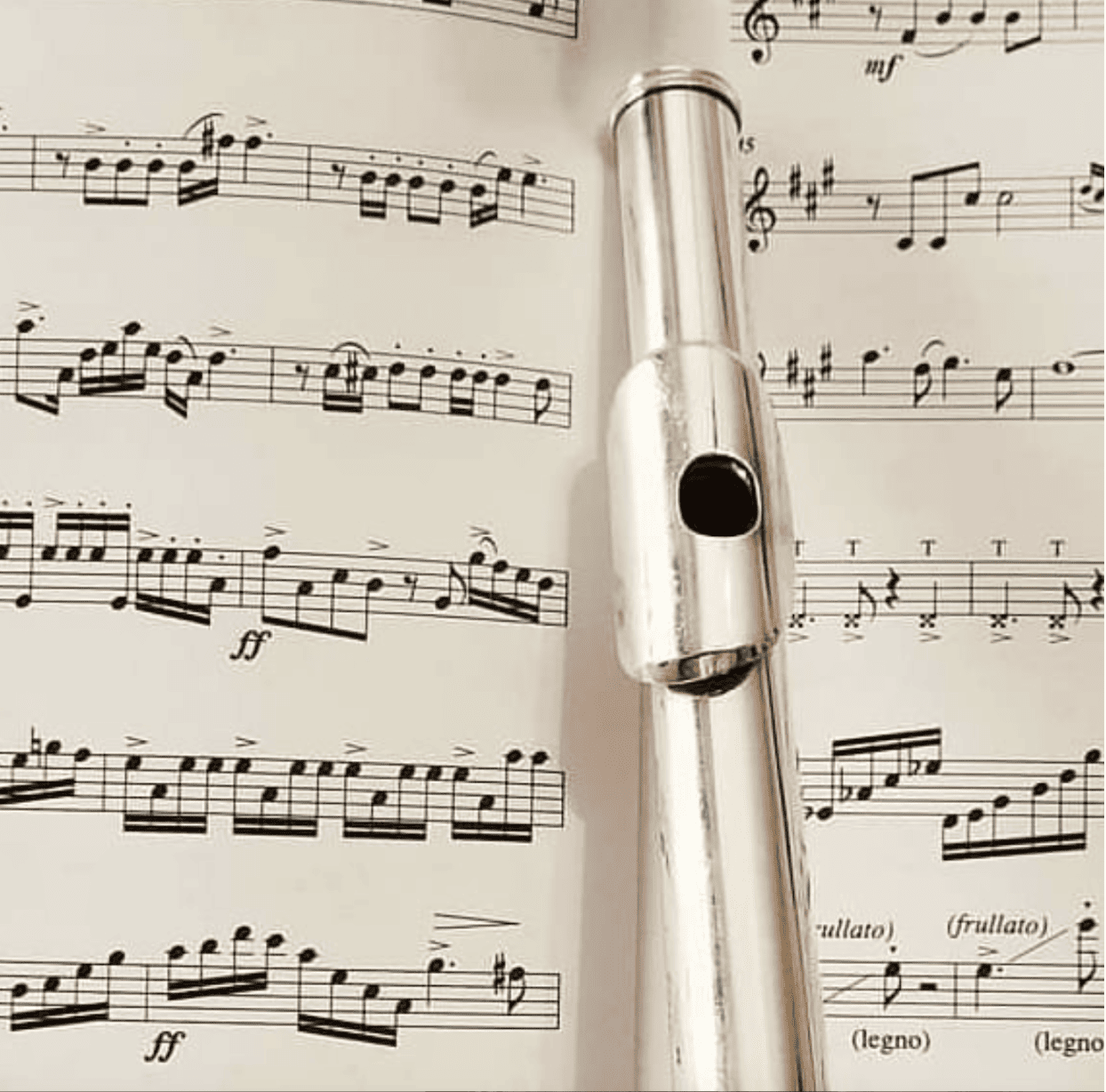
The main modern-day Western flutes are the C flute, piccolo, alto flute, and bass flute. These flutes are typically made of metal. Soprano flute flutes can be made of silver-plated nickel, solid sterling, gold, etc.
The bigger the flute, the less common it is to see it made of precious materials. Though Western flutes do go lower than the bass flute, these are quite hard to come by and often cost as much as a designer vehicle- or even a house.
Fun fact: some sub-contrabass flutes are made of PVC pipes!
The Switch To Metal
Wooden flutes are lovely and have a soft, reedy, and sometimes sultry sound (especially in the lower register. So why did we ever switch to metal as our primary material?
There are still many areas of the world where wooden flutes outnumber metal flutes. But for Western classical music, flutes had to undergo a serious makeover.
Here’s why:
- Wooden flutes are prone to cracking
- They aren’t usually very loud
- They need more maintenance than metal ones
The first modern flute was created by a man named Theobald Boehm. If you’re a clarinetist, you’ve probably heard this name before.
Boehm made the most significant changes to the Western flute since Baroque times. Boehm debuted his new creation in Paris in the mid-1800s, which featured a cylindrical bore and a new fingering/key system. He also added the lip plate to the metal flute to make it feel more like the wooden ones.
While there have been many tweaks to the flute as we know it since then, this was the most notable one by far.
Fipple vs. Transverse Flutes
There are two main types of flutes throughout history that you should know about: fipple flutes and transverse flutes. However, many more exist. Check out this guide for a full, comprehensive list of all the different types of flutes.
Fipple flutes have a mouthpiece that directs air across a sharp edge, while transverse flutes are held horizontally and produce sound by directing air across a hole.
Fipple Flutes
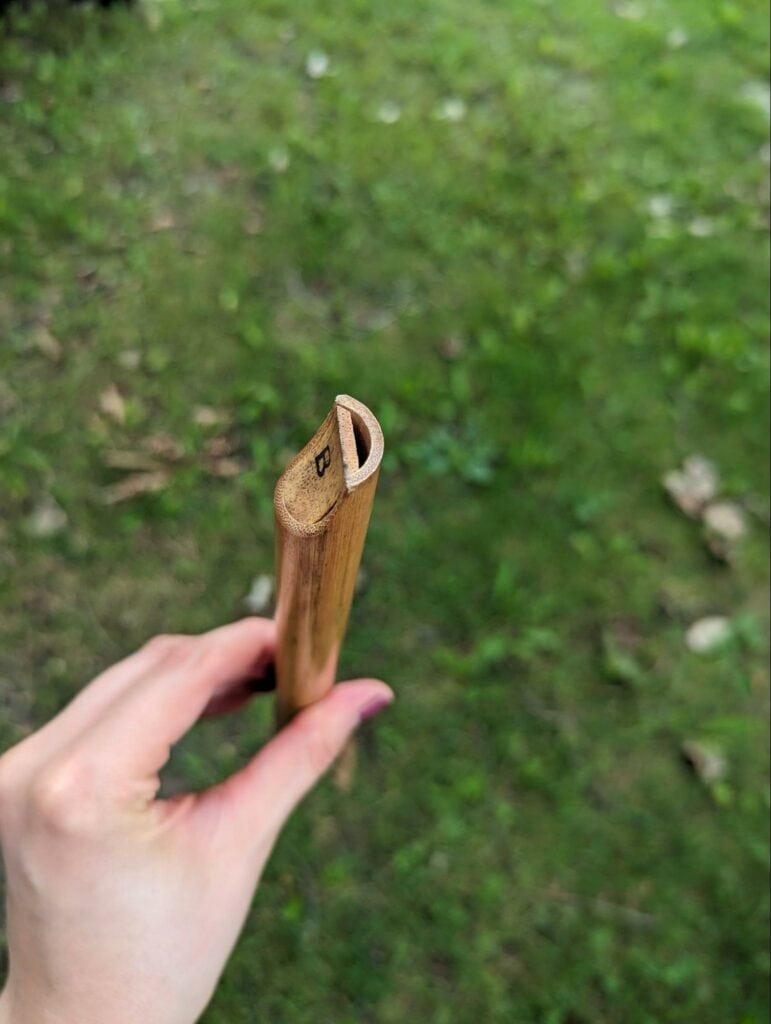
The first flutes were fipple flutes – vertical instruments with open tone holes that you put your fingers on. Fipple flutes also have a duct in the mouthpiece (i.e., the fipple) that helps to direct the air.
Besides the recorder, other fipple flutes you may have heard of include the Irish penny whistle, the Bansuri (from India), and the Ocarina (From S. America).
Transverse Flutes
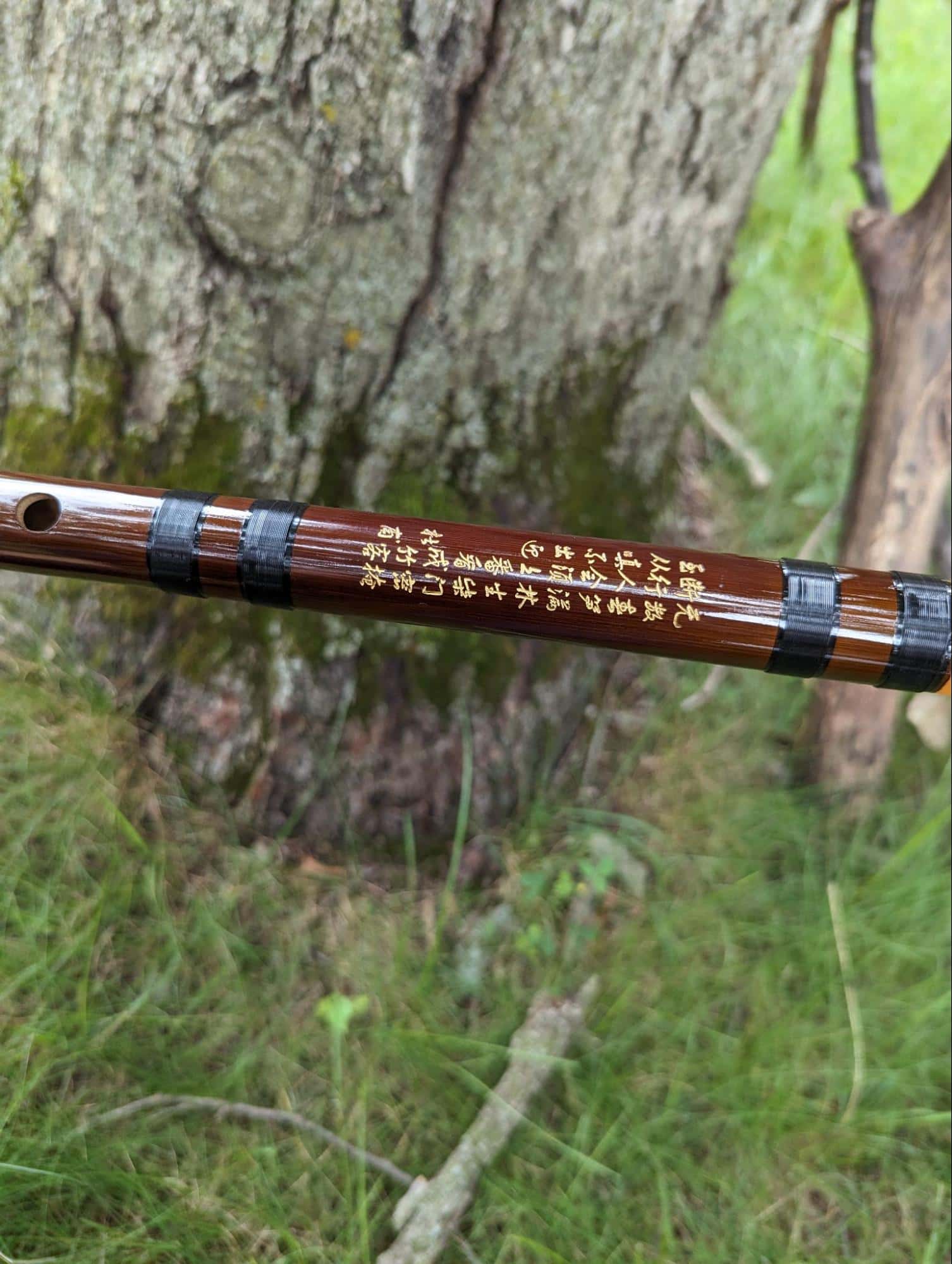
The first transverse (sideways) flute was likely created in China, though ancient Egyptians had them too.
We know that the transverse flute became popular worldwide from trade routes that went through swathes of land when the Byzantine Empire flourished.
This led to the creation of many different flutes. For much of history, they were made of all wood and had no keys.
Other Flutes
- Reed flutes
- End-blown flutes
- Cane pipes
There are a whole host of other types of flutes. Flutes with reeds inside, end-blown flutes like the Shakuhachi, pan pipes, etc.
There is some crossover within the categories. The end-blown Japenese shakuhachi is technically a fipple.
Pipe-type flutes are interesting because they have closed ends, whereas many transverse flutes and fipples are open.
Audio Recordings of Various Flutes (From Oldest To Newest)
Rather than talking more about the evolution of flutes, I thought it might be helpful for you to hear the modern flutes I have played in order of historical creation, from oldest to newest.
While this collection is from various cultures and is an approximation (they sure didn’t have plastic recorders back in the day!), I believe the sound evolution to be apparent.
The earlier, more basic fipples aren’t as standardized and have an unfocused, haunting, woody sound. As the flute developed, the sound became more direct, becoming somehow both mellow and pointed.
Wooden Folk Flute 1 (Origins From 60,000 Years Ago)

Wooden Folk Flute 2
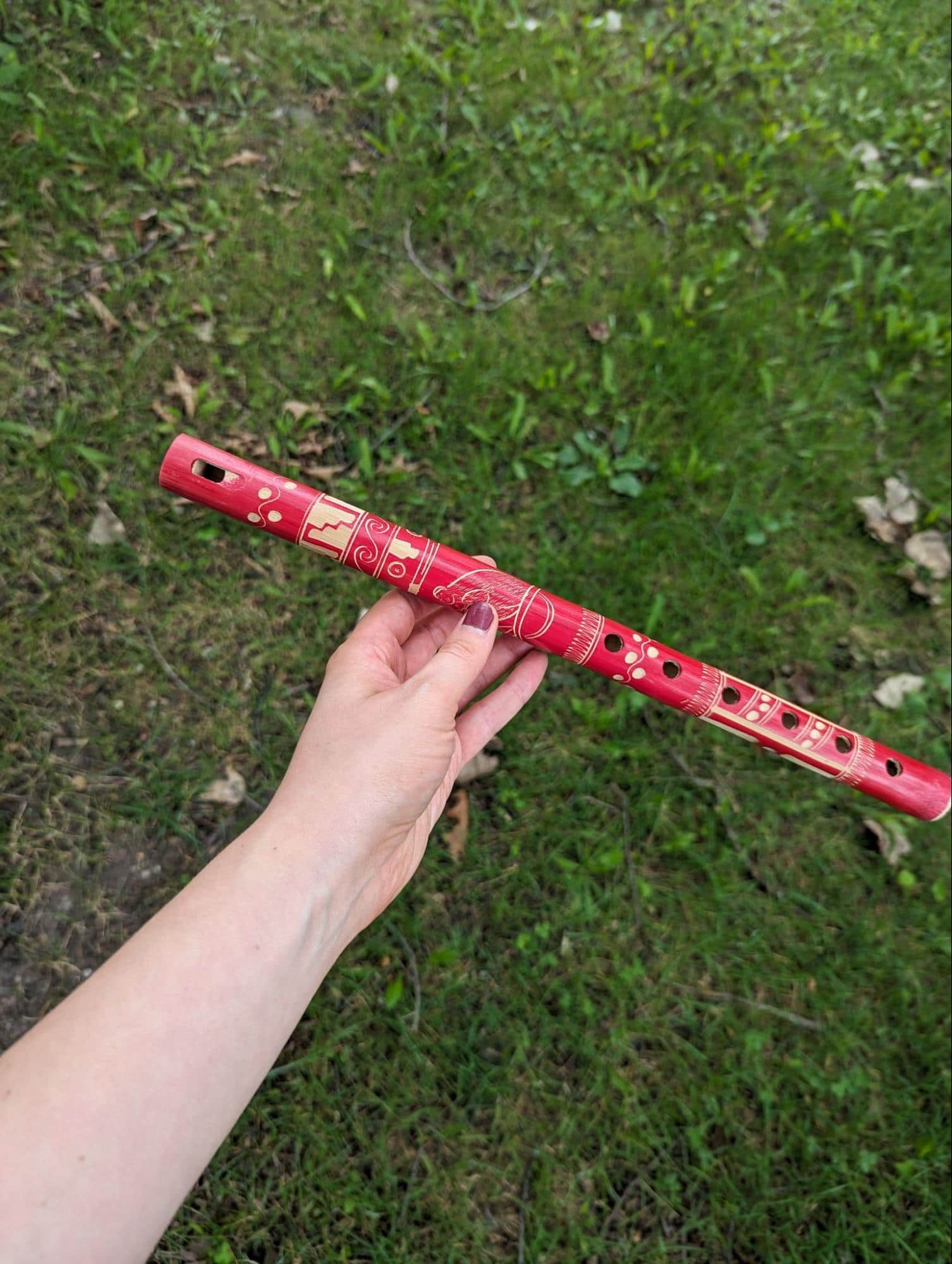
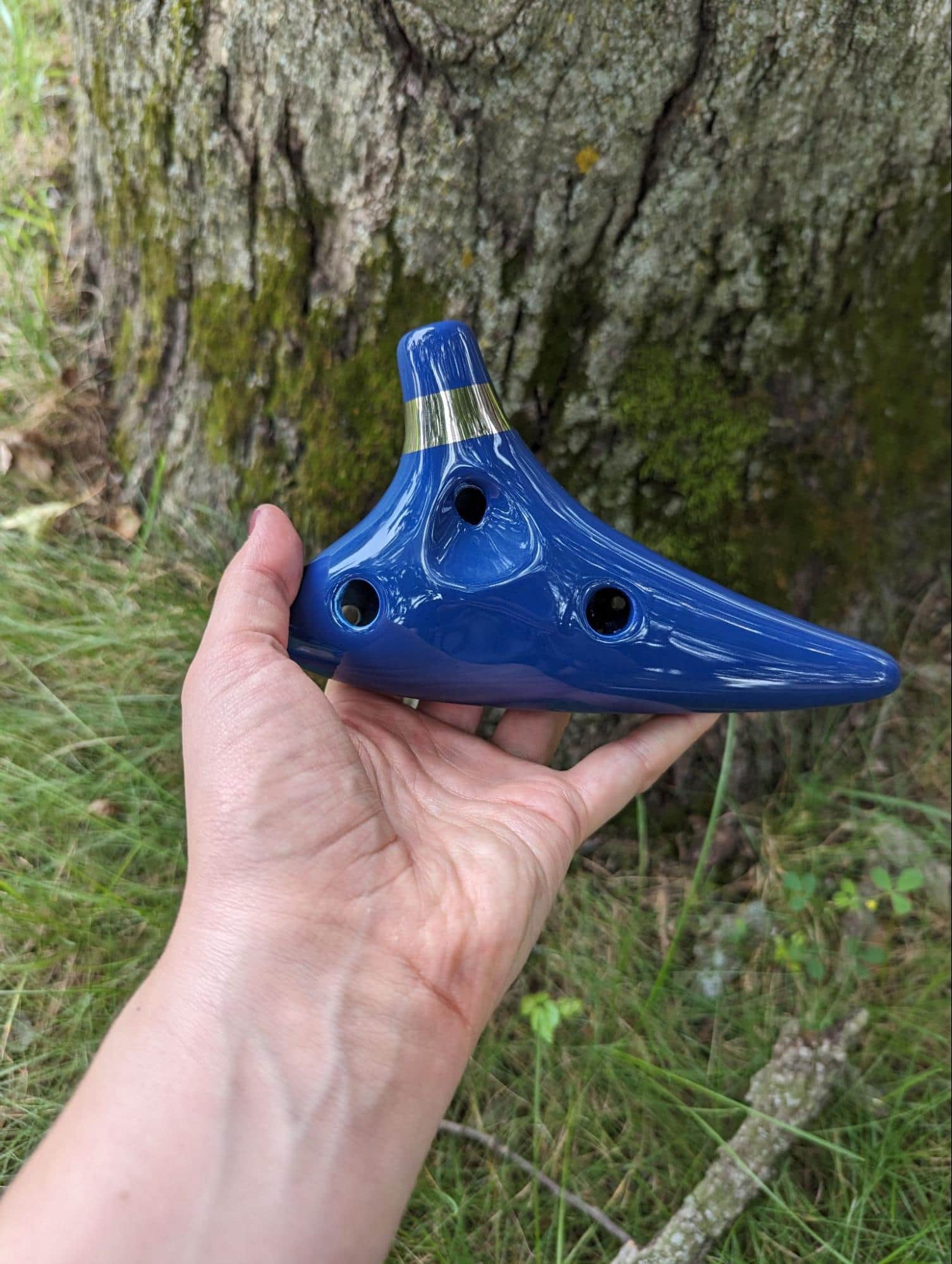
Ocarina (12,000 Years Ago)
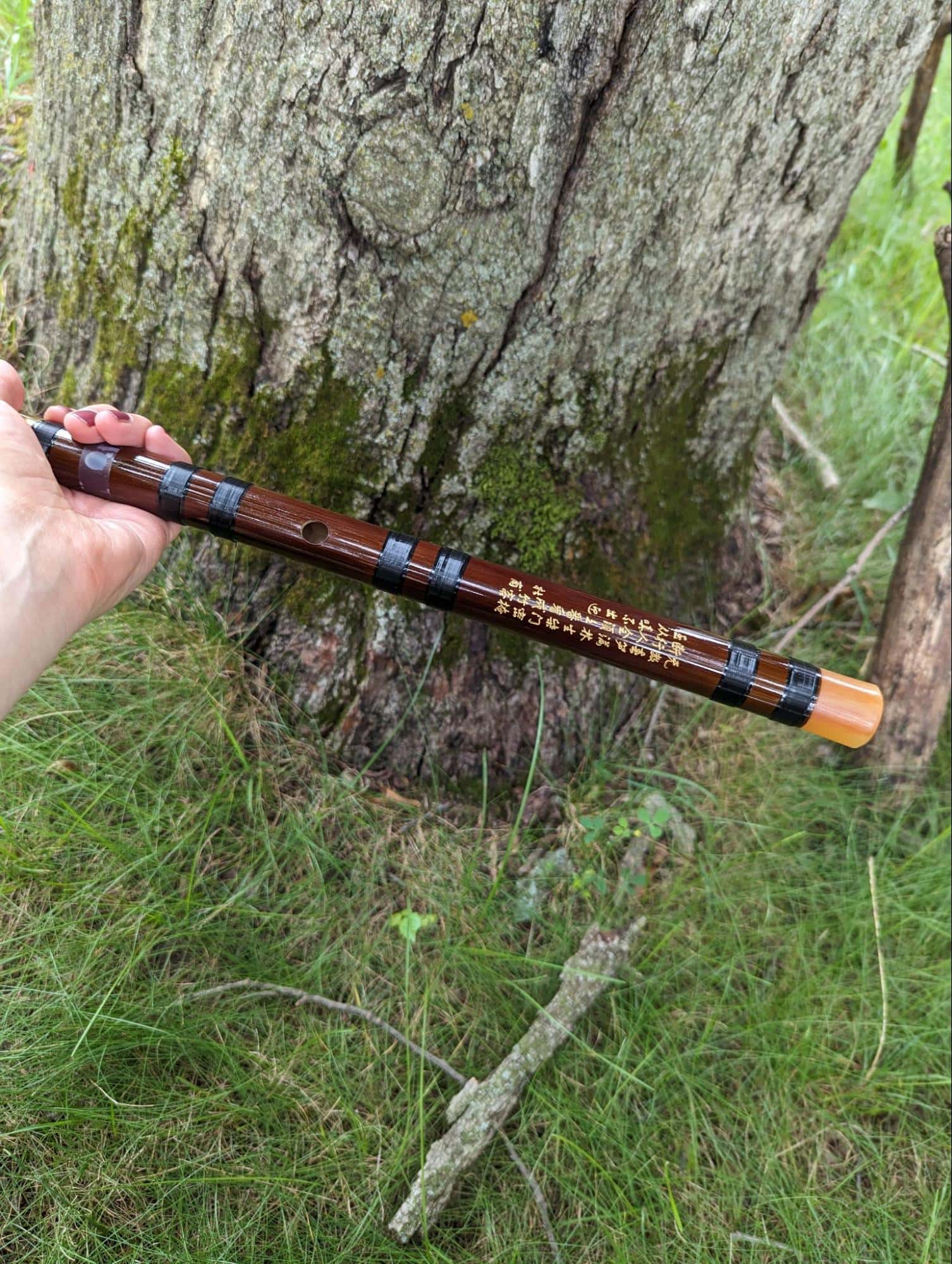
Dizi (5th Century BC)
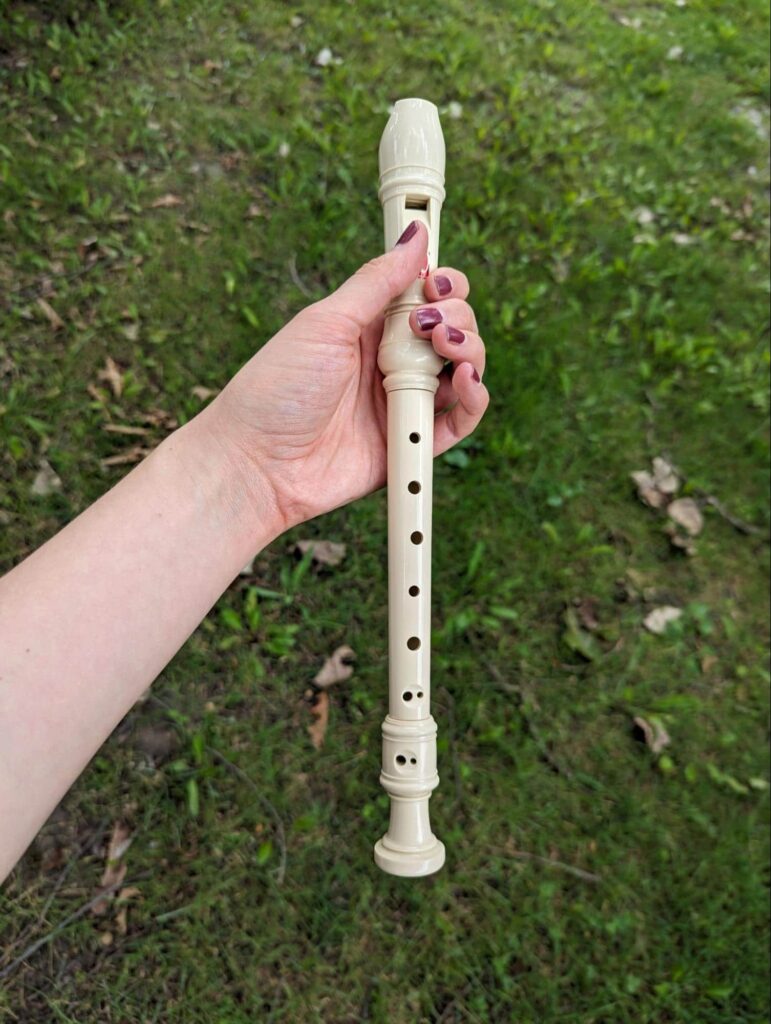
Soprano Recorder (15-16th Centuries)
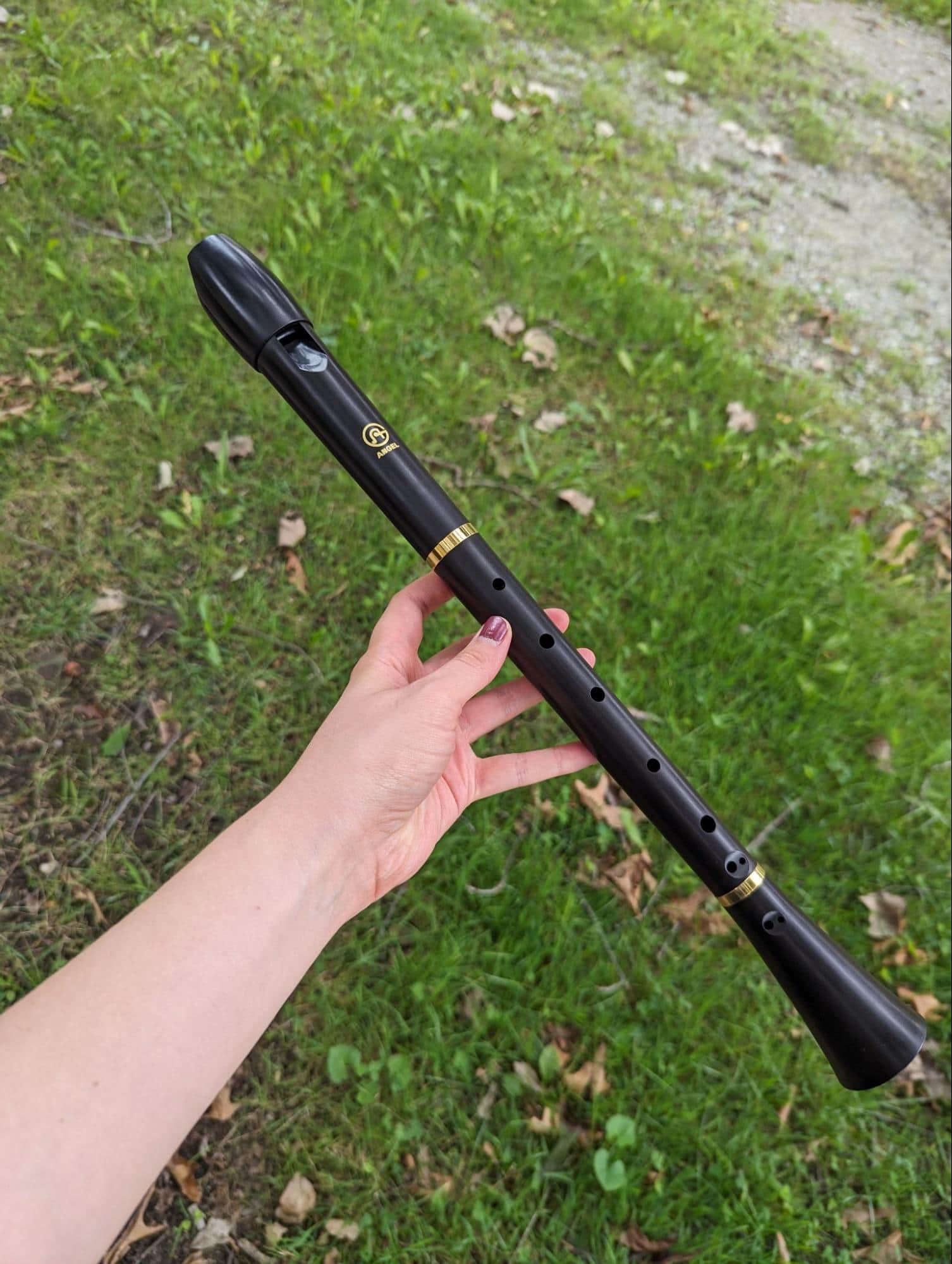
Alto Recorder (1670’s)
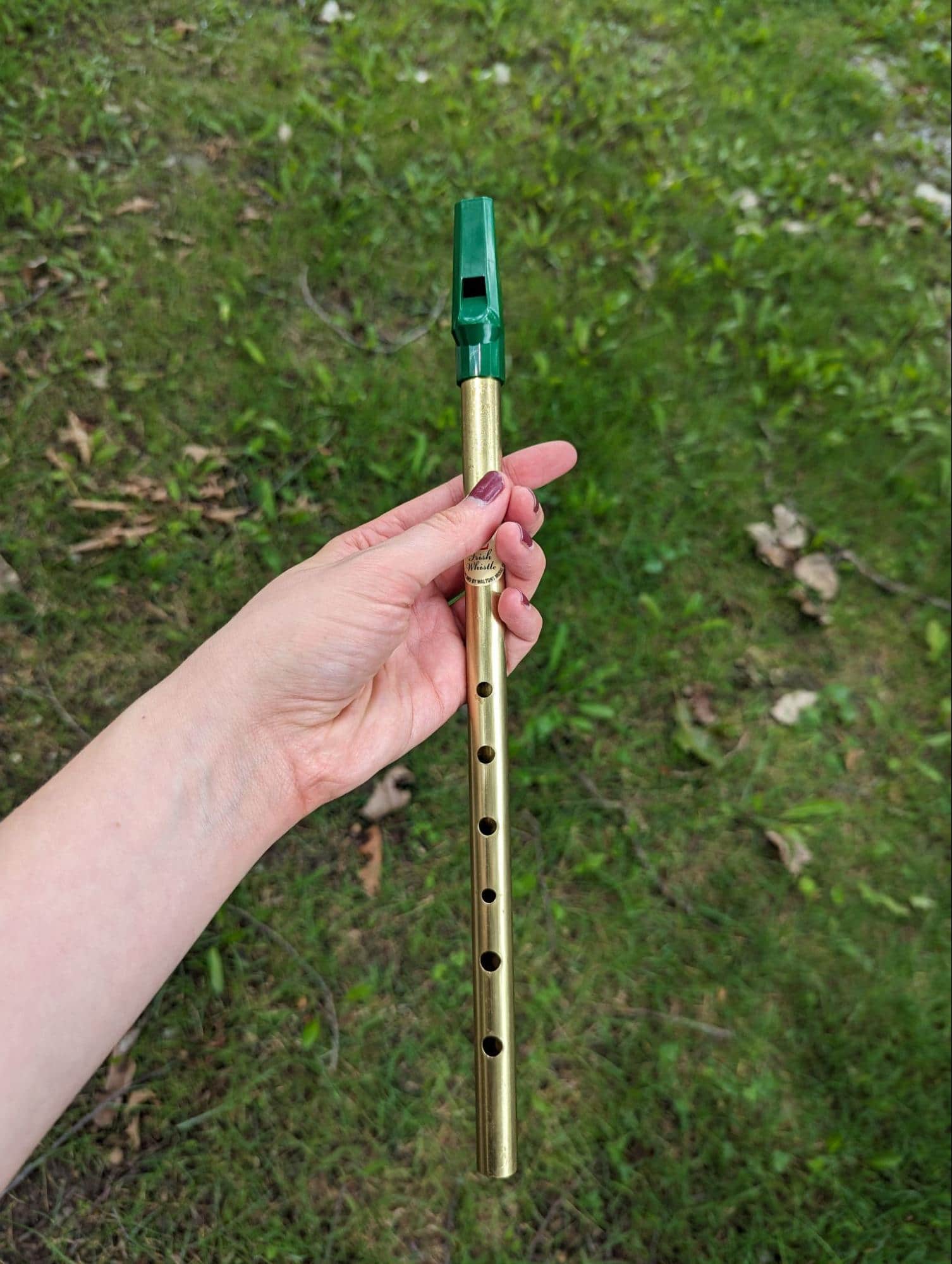
The Irish Whistle (1840’s)
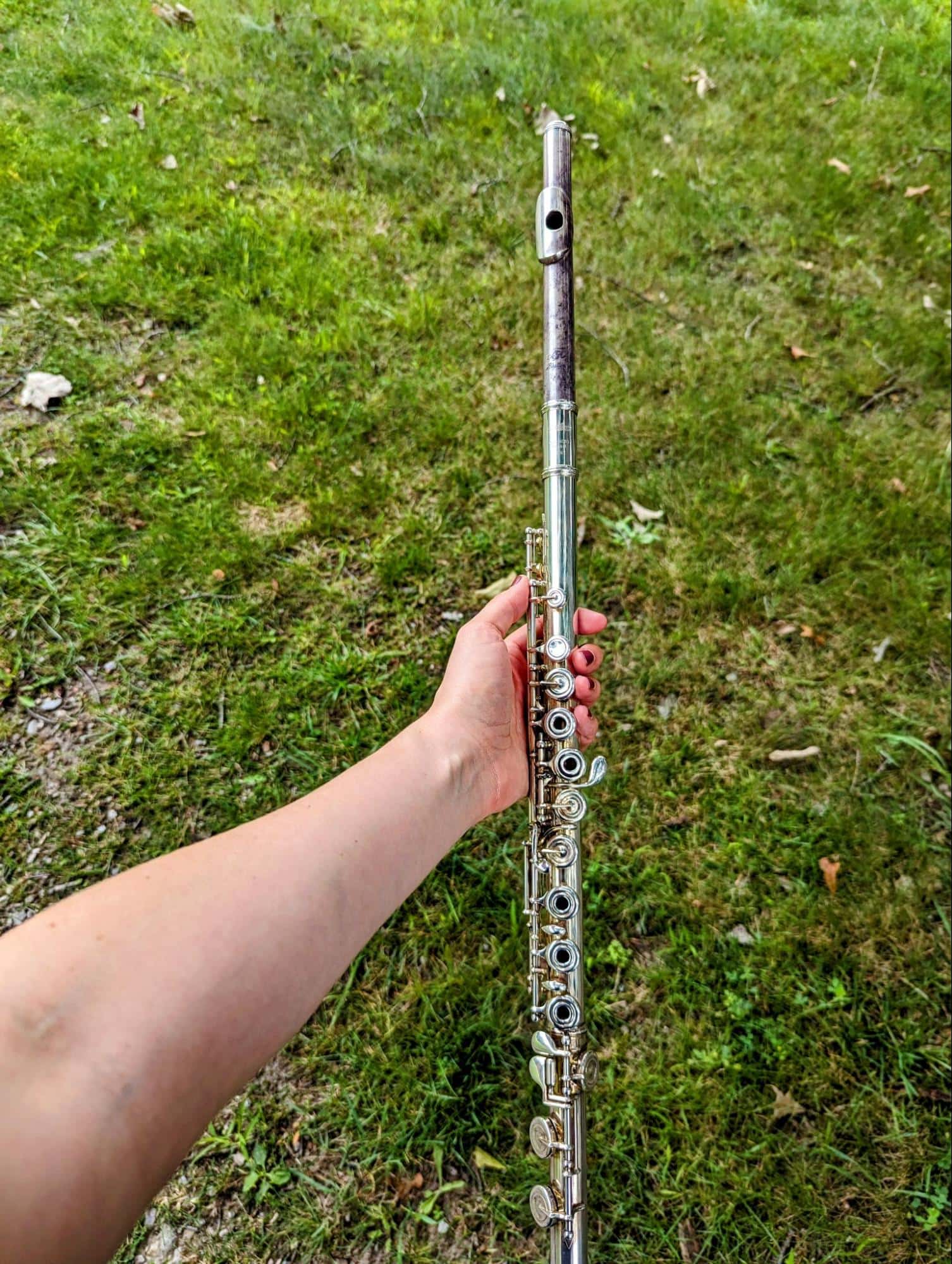
C Western Classical Flute (Mid-Late 1800’s)
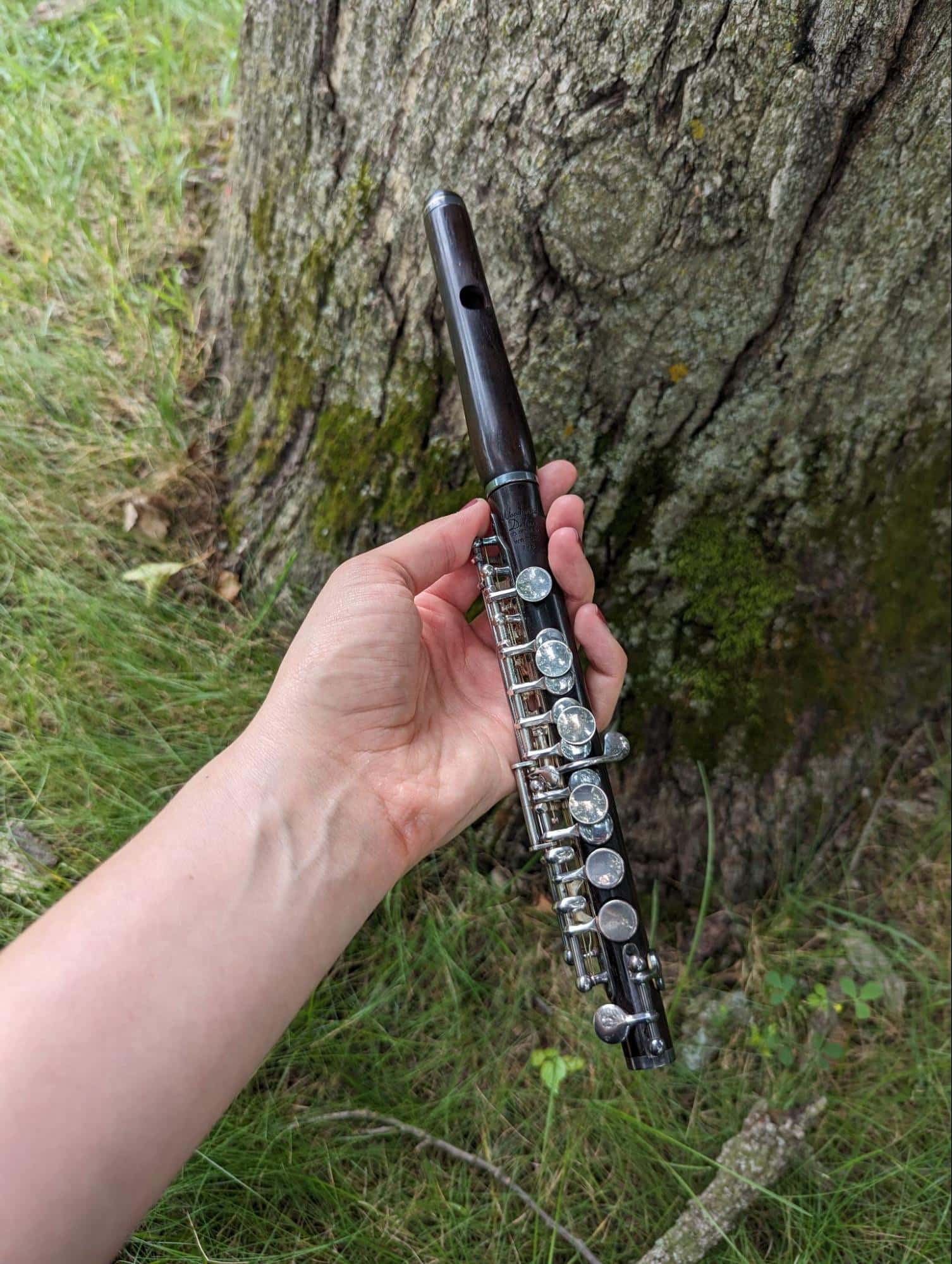
Wooden Piccolo (Mid-Late 1800’s)
FAQs
What Were Flutes Originally Made For?
Early use cases of the flute include:
- For signaling
- Bird calls
- To summon spirits
- To woo potential lovers
- For holistic healing
As far as we know, the earliest uses for the flute were by hunter-gatherers, who used the instruments to replicate birds of prey.
Tibetan femur flutes were used to summon spirits and demons for rituals, and Southwestern Native Americans used the flute to profess love.
Once we fast-forward many, many years to the Swiss, circa 1300s (The Middle Ages), the flute had become a European tool for war.
This is where Western flutes all stem from, as many countries wanted to copy what the Swiss infantry was doing- using flutes and drums to keep formations and group movements precise.
So, if you ever need to er, summon a spirit, communicate for war, heal or woo a potential mate….use the flute!
Do Flutists Play On Other Systems Besides Boehms?
Yes, absolutely! I firmly believe that every instrument design has pros and cons. My college flute professor played on what we call an open G#- On what Boehm’s system would be, a ‘G’ is a G# on the open system.
The biggest issue this fixes is the weak-sounding E up above the staff, but there are many other uses for the open G#.
This seems to be most popular in France and England- almost all other fingering charts are still for the 1847 design. William Bennett (aka WIBB) was known for playing on this system.
What’s The Difference Between A Modern Boehm Flute And The 1847 Design?
Only a little! But I’d like to highlight some notable tweaks: the first modern adjustment changed the tuning down from a sharper orchestral tuning (which used to be popular, flutes/orchestras used to be tuned to A-442 or higher).
Flutes also have more embouchure hole options than before, like square-cut ones.
Before you go, check out our article on the 18 Types of Flutes (Uses, Characteristics, and Our 3 Top Picks)!