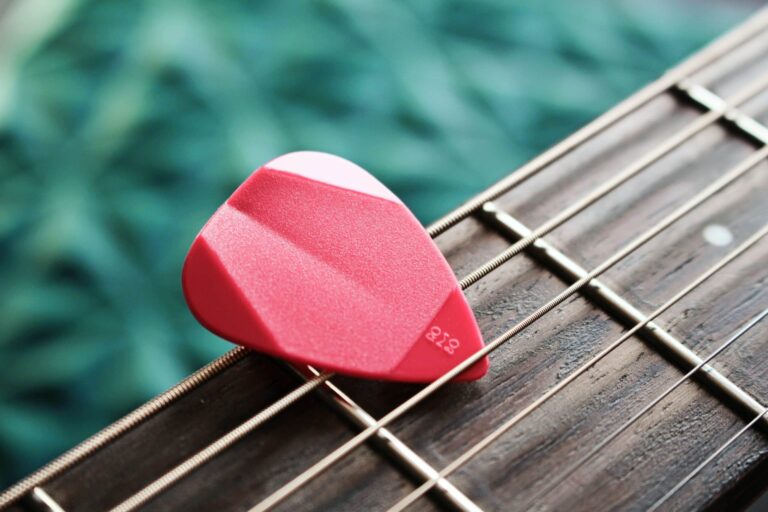
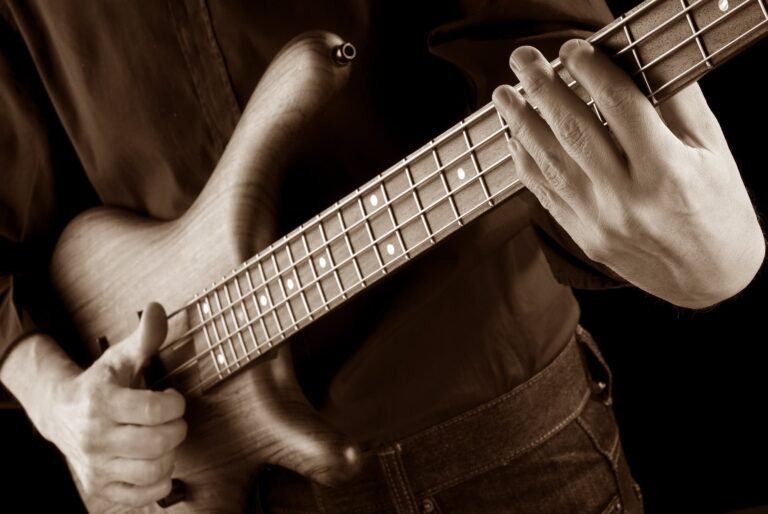
- Looking for your first pick/plectrum for bass? Don’t buy the first one you see.
- There are a range of great options waiting for you out there for different genres.
- This article covers the bass-ics…
So, you’ve bought your first bass guitar. Exciting stuff. The first step is, of course, to bust it out and start jamming, and there are many ways to do that, from fingerpicking to plectrums to telekinesis.
There is no right or wrong way; it’s all down to personal preference. But many bassists discover plectrum picking to be convenient, especially for playing the rockin’ genres.
Yet when one first purchases a plectrum for a bass, they are likely not to have much of an idea of which one to buy and end up getting a bog standard plectrum that is used equally for guitars. At ProducerHive, today’s PSA is this: don’t do that. Instead, survey your options and pick the best tool for the job.
Which Plectrum Should You Choose?

The short answer is whichever fits your tonal needs, ergonomic tastes, and aesthetic desires the best.
However, to answer this question properly, we’ll need to dive into each of the various properties of a bass pick: material, shape, and thickness.
Material
- Nylon
- Acrylic
- Metal
- Carbon Fiber
- Wood, and other materials
Shape
- Traditional
- Triangular
- Rounded/Jazzy
Thickness
- Thin: 0.5mm-0.75mm
- Medium: 0.75mm-1.55mm
- Heavy: 1.55mm and above
| Material | Nylon | Acyrlic | Metal | Carbon Fiber |
| Shape | Traditional | Triangular | Rounded/Jazz | |
| Thickness | Thin | Medium | Heavy |
What to Consider When Selecting a Bass Pick
Material and Design
| Material | Feature | Ergonomics | Pragmatics |
| Nylon | Flexible | Gripping | Ideal for live performances and practices |
| Metal | Unique | Sturdy | Ideal for live performances and practices |
| Carbon Fiber | Durable | Light | Consistent note sustenance |
| Acrylic | Longlasting | Sturdy | Enduring, rare replacement |
Nylon
This is one of the most commonly used materials for plectrums. They’re flexible, come in a wide variety of thickness options, and even have the gripping grafted onto their design, meaning that you don’t have to worry about it sliding through your fingers while playing.
This is particularly useful for live performances, where fingertips sweat like no tomorrow. And there won’t be if you drop your pick. Your bandmates will see to it.
P.S. I heavily endorse the Jim Dunlop Jazz III Nylon Plectrums. Clear, crisp, sturdy. It is great for fast punk and other genres that require a speedy and pronounced sound. I asked a fellow bassist about it, and they claimed it to be the “supreme pick that reigns down upon all other plectrums.” Take that as you will.
Metal
Often made from titanium, stainless steel, and brass, the metal pick is renowned for its unique tonal character, which is bright and impactful. Great for genres where an aggressive, on-point tone is required. Metal, punk, and hard rock are great contenders here.
Carbon Fiber
Ah, the rise of carbon fiber. Its key advantage is its strength and durability, meaning it will take longer to ‘shave.’ In contrast, cheap plectrums will go from pointy to round in hours (or minutes in some cases). Yes, I’ve experienced this myself. Carbon fiber picks are strong, light, and last a long time. It’s a great, enduring purchase.
Acrylic
This material appealed to my inner child when I saw it. Acrylic bass picks are familiar, as they look like gemstones – Hell, all pick selections are as beautiful as that. One of the great ones is the Jim Dunlop Big Stubby, which is sturdy and hits the notes impactfully and with style.
And it’s 3mm thick. Damn. Just don’t lose it. They’re known for producing a splintery, shattering sound that is as consistent as effective.
Other Materials
There are many other plectrum materials out there, such as Ultem (sounds fancy and unfamiliar, but it is actually similar to acrylic but is stronger), Polyoxymethylene (matte, gripped, and also strong), and even wood (warm, rich, great for blues.) If you’re so inclined, look at the above and more. Always consider the genre you aim for and keep your progression in mind.
Shape & Texture
| Shape | Size | Playability |
| Traditional | Average | Generally great, reliable, and long-lasting (pending purchase) |
| Triangular | Large | Many models don’t last long, especially acrylic plectrums. |
| Rounded/Jazzy | Compact | Stronger than traditional and triangular plectrums, good for control. |
Traditional
The traditional or ‘standard’ bass plectrums are the classic ‘teardrop’ shape, which is commonly seen. For bass techniques, though, the Fender 346 is a good example. As plectrums of this ilk are so commonly used, they are also good for just about any pick-driven bass genre you could name.
Framed in a more critical light, you could also claim this shape as the jack of all trades, as it serves multiple purposes while specializing in none. But it’s solid, reliable, and good for pacing. Yet its commonality means it’s not necessarily the best.
Before we move on, here’s another quick shout-out to a unique traditional pick: the Pick Geek Original. The clue is in the name. They’re thick, sturdy, and therefore great for pronouncing notes.
Triangular
The triangular plectrum is not as popular as the traditional or the rounded/jazzy bass plectrums, but they are effective! They’re larger, have three points of contact (versatility!), and come in various shapes and sizes. Unfortunately, my experience with triangular bass plectrums is that they wear down quickly. On the other hand, if one pick-point shaves down, there are two others.
Plus, they’re quite slippy. If you play live with them regularly, you’re bound to experience the ‘slipping pick’ anxiety. It’s not great. Conversely, other triangular picks have better gripping.
Rounded/Jazzy
The rounded/jazzy bass plectrum is smaller and stubbier but generally stronger than many traditional and triangular plectrums. The aforementioned Jazz III is in this category.
It lacks gripping, but it can hit notes with pinpoint precision. Also, their concise surface area gives you faster response time and more control in complex arrangements.
Girth and Thickness
Regarding bass plectrums, thickness is perhaps the most important consideration and the one that will affect your tone the most.
There are certain plectrum ilks that you should avoid. Remember that bass strings are much thicker than guitar strings, with the average gauge being 45-100+ (0.045 inches to 0.105 inches, for instance).
To put this into perspective, the average guitar string gauge runs from 9 to 42 (0.10-.-046.). Significantly thinner.
| Thickness | Ratio | Pros | Cons |
| Thin | 0.5mm-0.75mm | Smooth, flexible strumming, good for softer genres like soft rock. | Not great for genres that require ‘attack’. Mostly, not suited to bass guitar. |
| Medium | 0.75mm-1.5mm | Flexible, rigid, good for tone, attack, and dynamics. | |
| Heavy | 1.55mm and above | Powerful, strong notes, less flexibility, greater control, precise picking. |
Thick, heavy picks help with your ability to play in a stable, consistent tone. In contrast, a thin plectrum allows you to strum chords more easily, but you sacrifice the control that thicker picks offer.
The average pick thickness for bass is 1.17mm, which is debatably too thick for guitar, for which the average stands at 0.89mm.
That said, a thin bass plectrum might work for you if you prefer a smoother, softer tone, like in soft rock or blues. As previously mentioned, it can also be good for select parts where you are strumming multiple notes on the bass.
Equally, you can get medium-level thickness (0.75 mm-1.5 mm), balancing rigidness and flexibility. Thick picks (1.5mm and beyond) are the ultimate weapon when one wants strong, powerful bass notes and tight control.
Bass Pick vs Fingers — Who Wins?
This depends on the genre. Many guitarists will tell you that fingerstyle is best because it allows for greater control and variety. In genres such as reggae, jazz, and blues, this is true often, depending on the subgenre. But heavier genres, such as punk and metal, require the clarity that a plectrum for bass will bring.
Wrapping Up
The tried and tested way to select your plectrum is not to order one online but to go to your local music store directly, grab a handful of different picks that you like the look of, and have a feel of them. You may look a little wild in the process, but it’s worth doing. Use your other hand as a makeshift guitar and pluck it with the plectrum. Be thorough, and go with your gut instinct. This will guide your playing a great deal.
If you’re still uncertain, don’t worry. The first purchase will always be a bit of a dive in the dark. Musicians tend to discover their ways through trial and error, and there is no shame in that process. We all go through it. So do and have the great guitarists of our times and all other times before us.
Remember to first and foremost consider your genre aspirations first and then move on to the considerations laid out before you. If you don’t know what genre you plan to play, buy various bass plectrums and test them out.
And if you want to learn more about bass guitar, from string types to bass types, check out our blistering bass content today!
FAQ
Bass Picks vs Guitar Picks
Bass picks are generally thicker and larger than guitar picks to accommodate the thicker strings and lower frequencies of the bass guitar.
Some bassists prefer the sturdiness and control offered by bass picks, while others may opt for the flexibility and precision of guitar picks.
Ultimately, it’s a matter of individual preference and the specific sound and feel that a musician is looking to achieve.
How much should I spend on a bass plectrum?
This is another area where it behooves one to spend a little. You can burn through 20 cheap picks in hours if you play a lot. They’re not designed to last. A good, durable pick, though, can last for months.
What is the average pick thickness?
1.17mm. Of course, feel free to go above or beneath, but you generally want to aim for greater thickness than with guitar picks, for which the average is 0.89mm. Much lower.