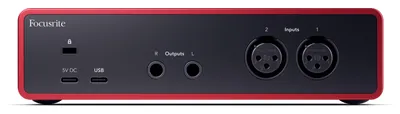
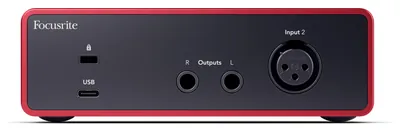
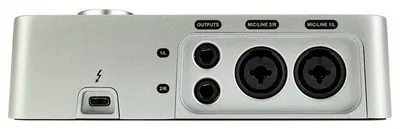
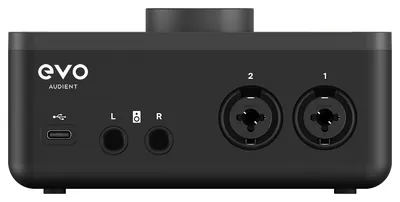
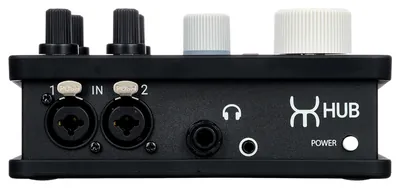
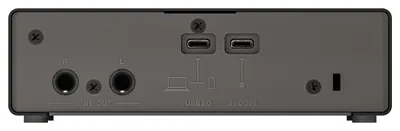
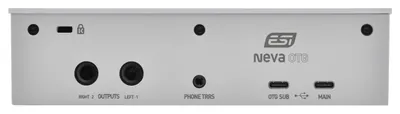
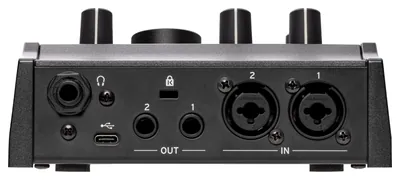
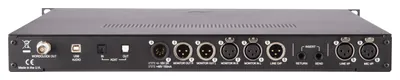
Cheapest with a mic input
$44
$49
$53
Behringer U-Phoria UM2 Wins 2 of 6
M-Audio M-Track Solo Runner-up
Behringer U-Phoria UMC22 Runner-up
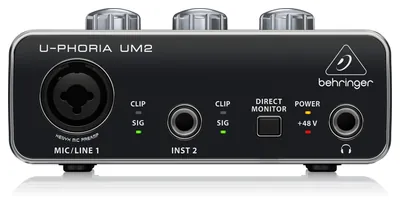
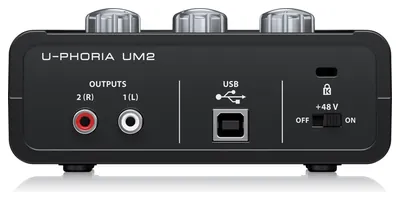
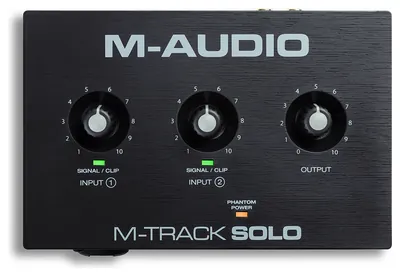
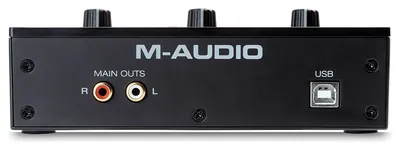
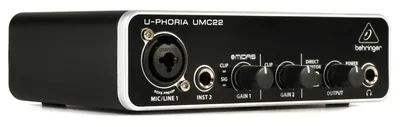
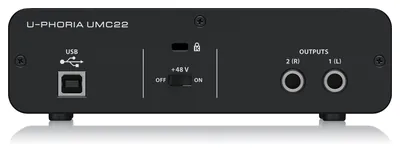
Runners-up

“8 inputs” on the box might only mean 2 mics. Count your sound sources, and we’ll show you what actually fits. How we count →
Some links on this page are affiliate links. If you buy through them, Producer Hive earns a commission at no extra cost to you. It does not change the order of the list.
Start here
I want to record Mics at onceany mics and Instruments at onceany instruments at once, for
Showing the whole market. Set what you need above to tailor these.Prices checked
$44
$49
$53
Behringer U-Phoria UM2 Wins 2 of 6
M-Audio M-Track Solo Runner-up
Behringer U-Phoria UMC22 Runner-up
Based on retailer reviews and bestseller ranks
#1
#2
#3
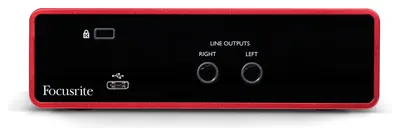
Focusrite Scarlett Solo 3rd Gen
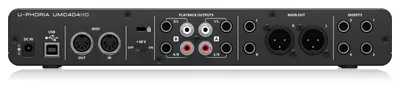
Behringer U-Phoria UMC404HD Runner-up
Behringer U-Phoria UMC22 Runner-up
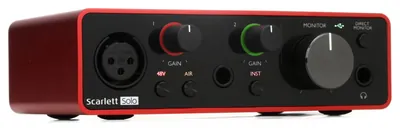
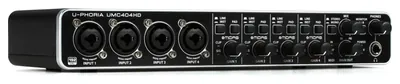
Lowest price per usable input
$22per input
$24per input
$25per input
Behringer U-Phoria UM2 Wins 2 of 6
M-Audio M-Track Solo Runner-up
Fender Studio Quantum LT 16 Runner-up

64inputs
32inputs
32inputs
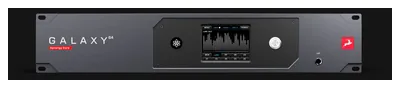
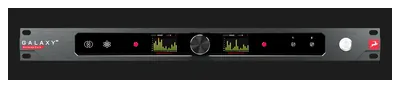
Antelope Audio Galaxy 64 Synergy Core
Antelope Audio Orion 32+ | Gen 4 Runner-up
Antelope Audio Galaxy 32 Synergy Core Runner-up

Lightest that runs on USB power (maker weights only)
54g1.9 oz
54g1.9 oz
75g2.6 oz
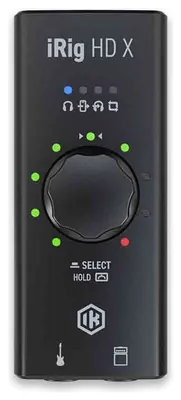
IK Multimedia iRig HD X
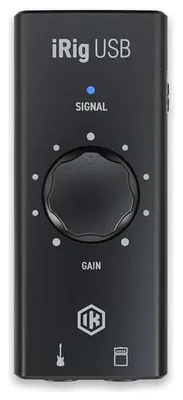
IK Multimedia iRig USB Runner-up
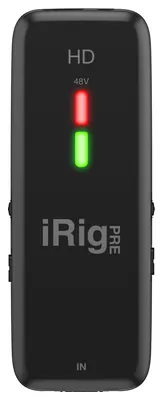
IK Multimedia iRig Pre HD iOS Microphone Preamp Runner-up
4outputs
3outputs
2outputs
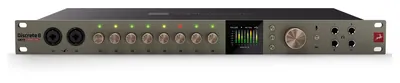
Antelope Audio Discrete 8 Oryx Synergy Core
Black Lion Audio Revolution 14x16 Runner-up
Behringer UMC1820 Runner-up















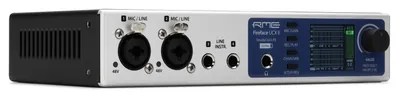
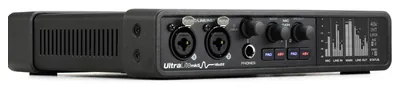



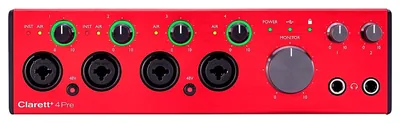


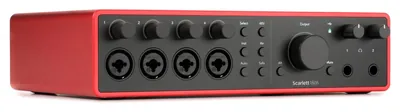

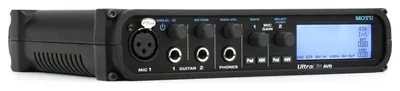
OS support not confirmed?

OS support not confirmed?



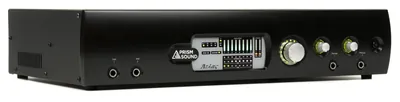
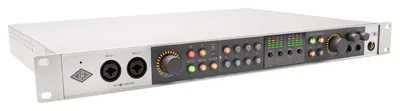
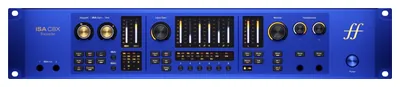



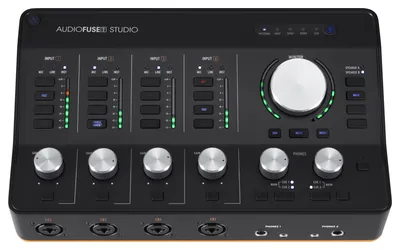
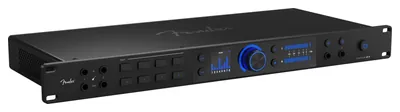
Formerly PreSonus Quantum HD 8
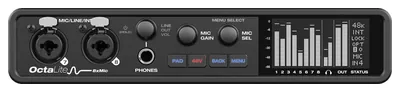
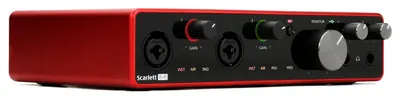
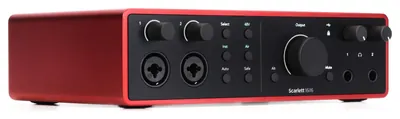
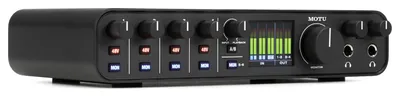
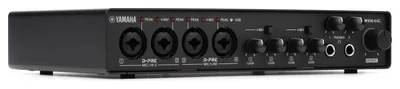
Formerly Steinberg UR44C
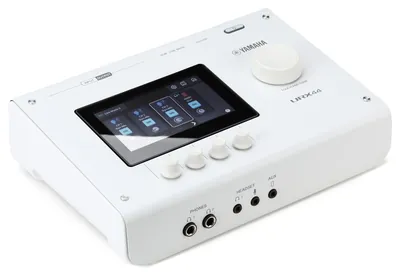

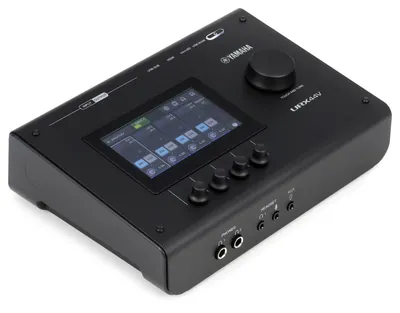
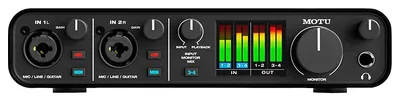
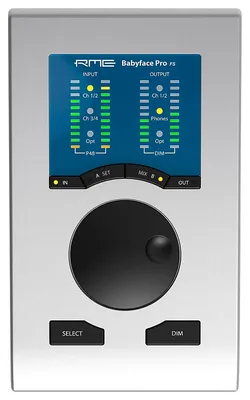
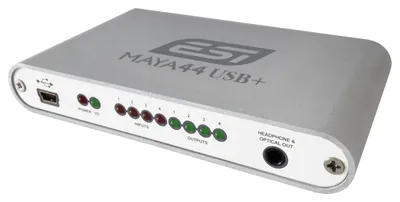
Stores list a different weight, usually with the box or accessories.
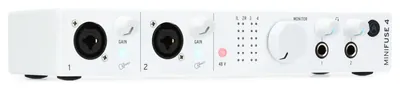
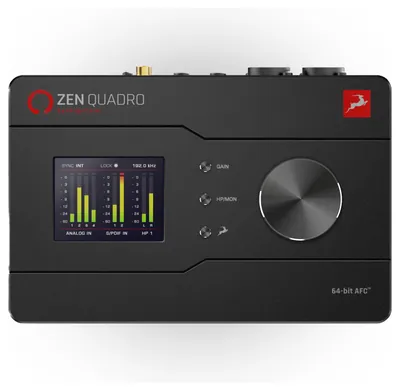

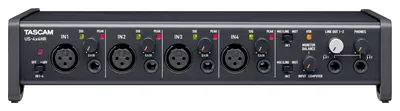
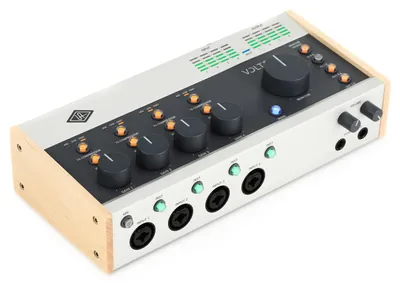
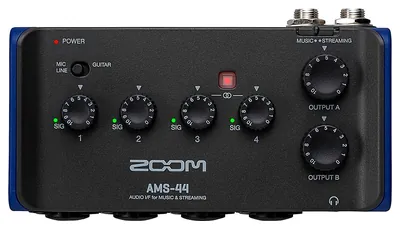
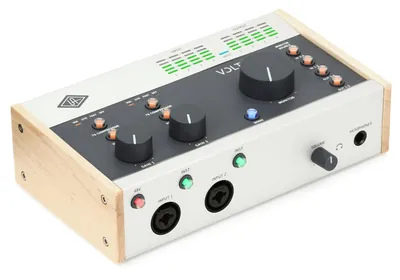
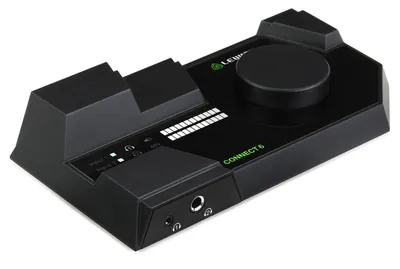
MIDI uses a mini-DIN socket and the CBL 202 breakout cable, which is not listed as included.
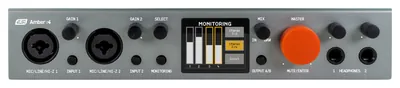
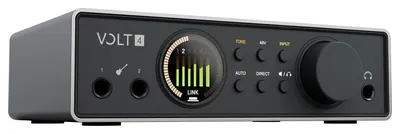
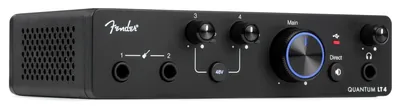
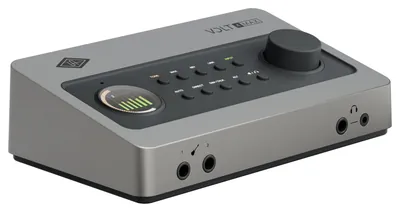
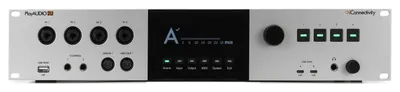
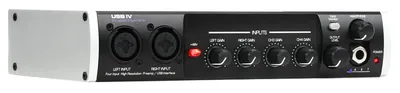
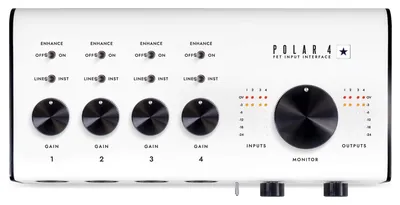
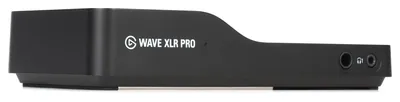
OS support not confirmed?
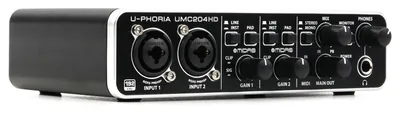
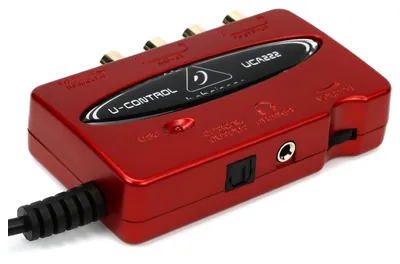
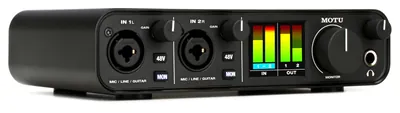
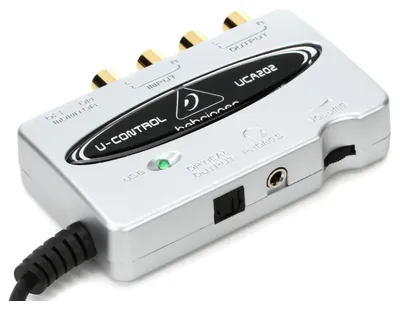
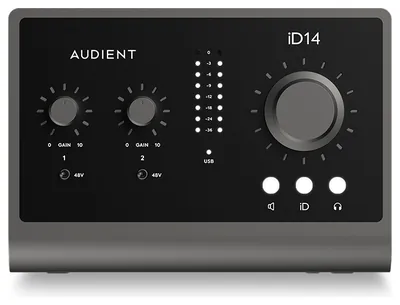
The front guitar input replaces input 1 (the rear jack does not work while it is in use). ADAT carries 8 channels at 44.1/48 kHz, or 4 at 88.2/96 kHz. Records up to 96 kHz.
Windows only
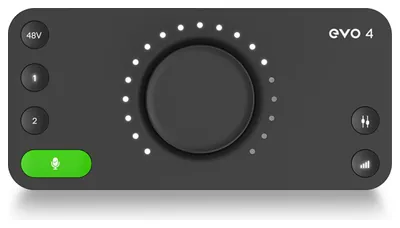
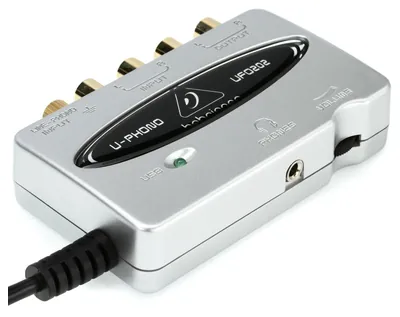
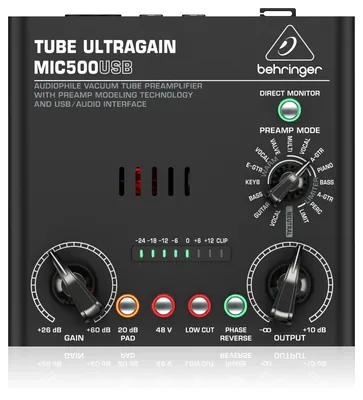
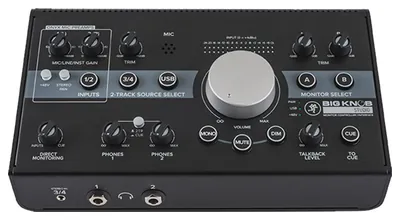
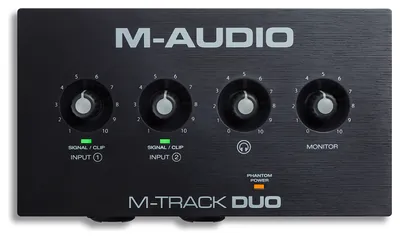
Windows only
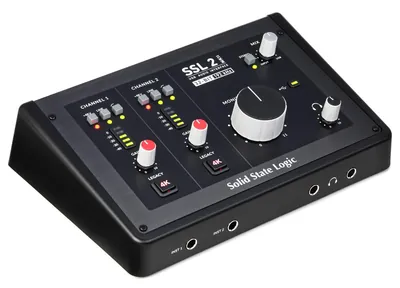
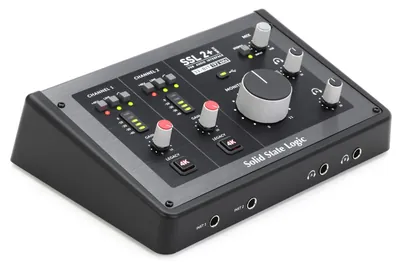
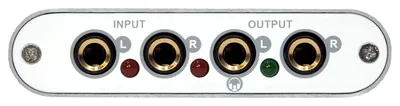
Windows only
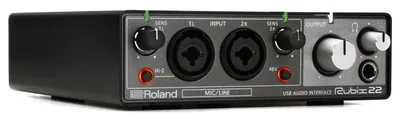
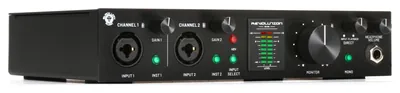
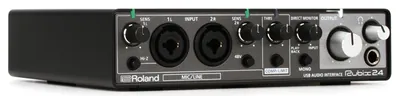
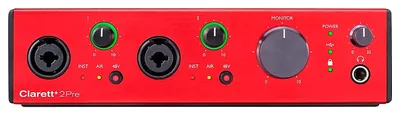
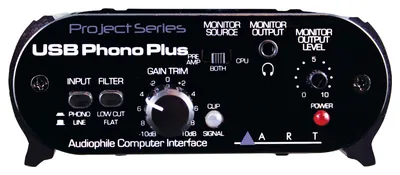
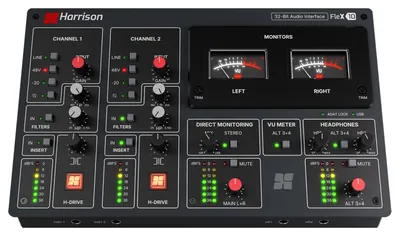
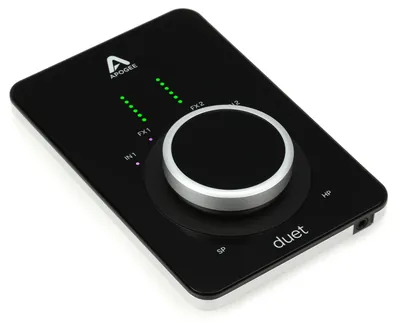
Stores list a different weight, usually with the box or accessories.
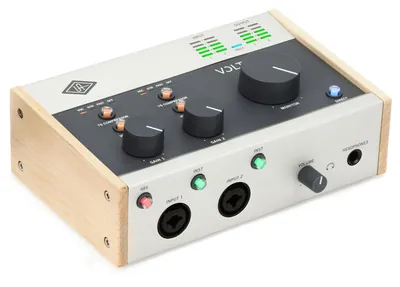
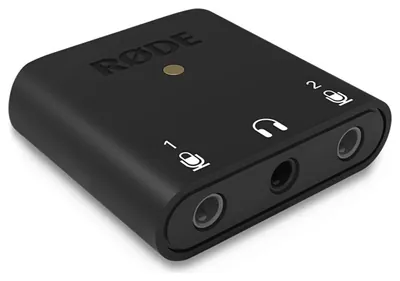
Two 3.5 mm mic inputs for lavalier or camera mics (not XLR preamps).
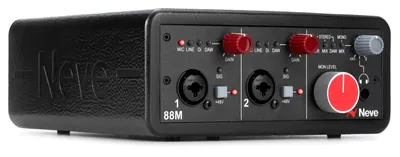
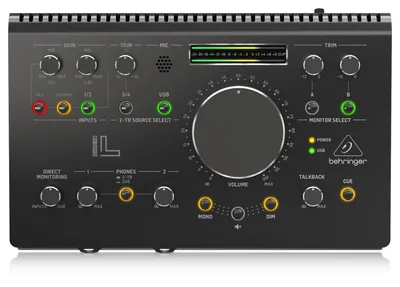
OS support not confirmed?
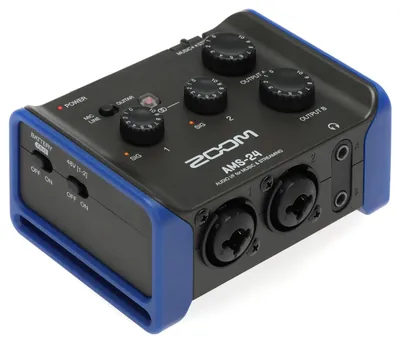
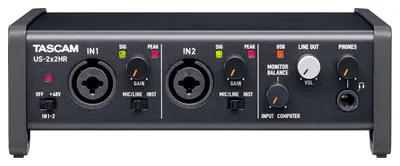
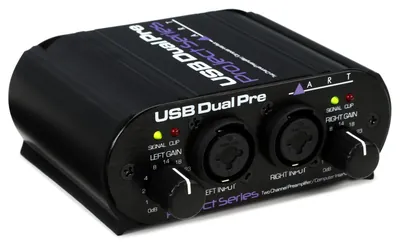
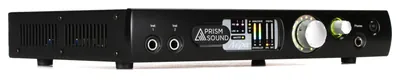
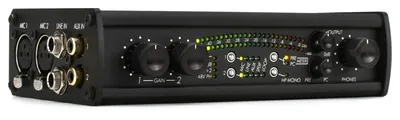
OS support not confirmed?
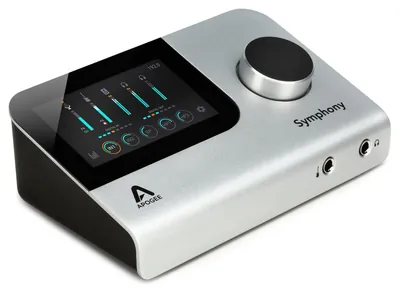
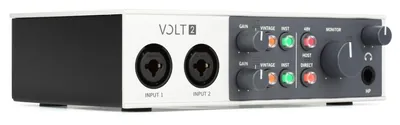
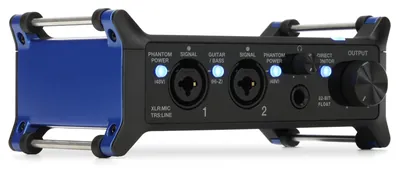
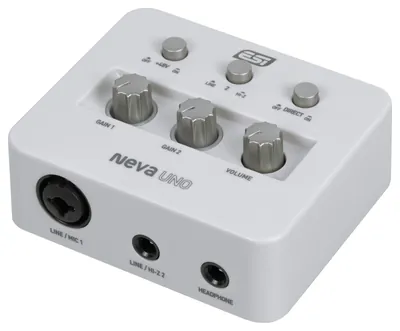
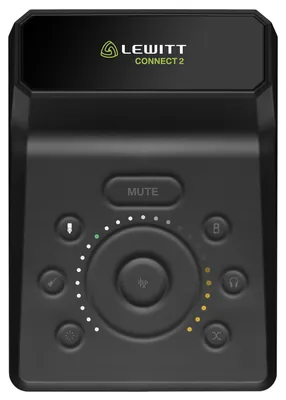
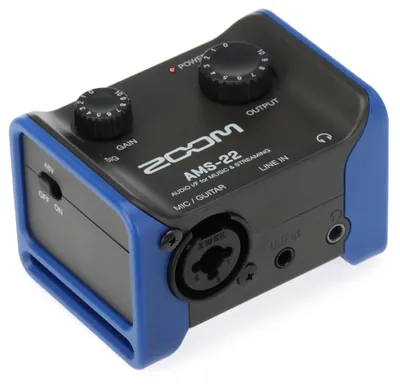

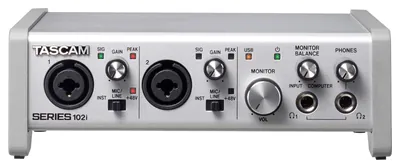
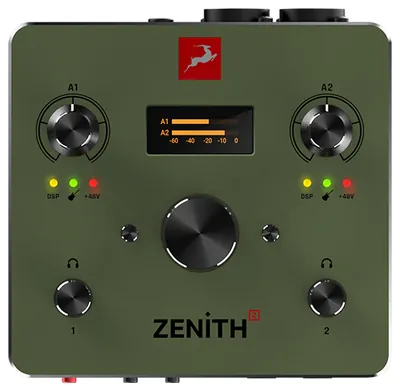
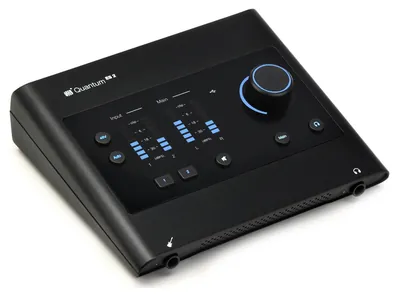
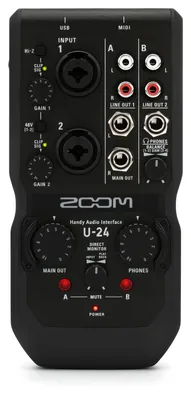
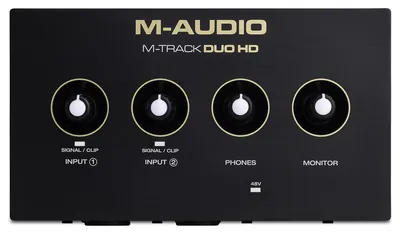
Stores list a different weight, usually with the box or accessories.
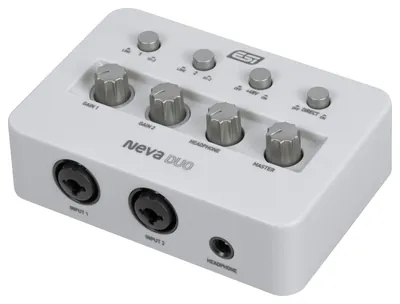
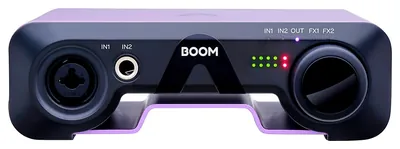
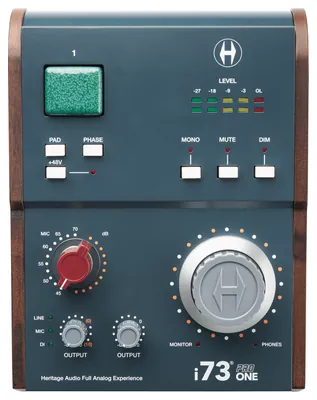
MIDI uses a mini-DIN socket and the CBL 202 breakout cable, which is not listed as included.
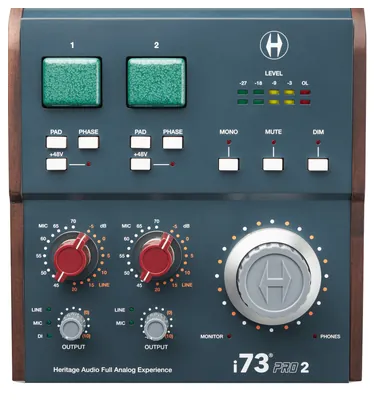
MIDI uses a mini-DIN socket and the CBL 202 breakout cable, which is not listed as included.
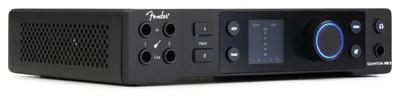
Formerly PreSonus Quantum HD 2
OS support not confirmed?
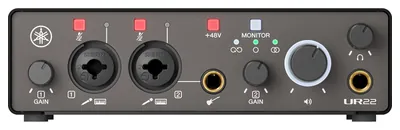

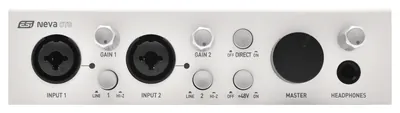
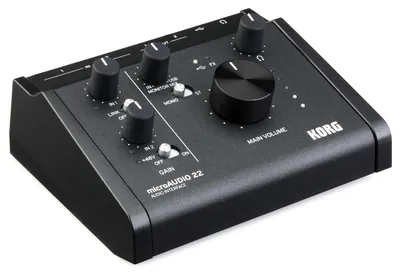
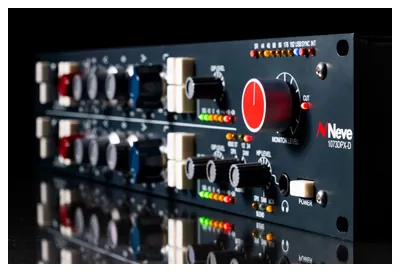
Stores list a different weight, usually with the box or accessories.
OS support not confirmed?
OS support not confirmed?

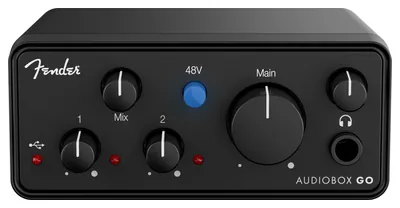
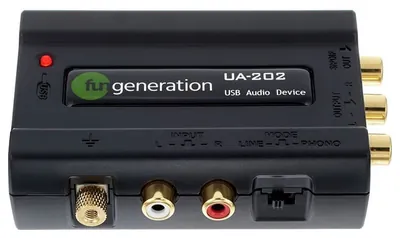
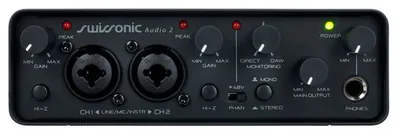
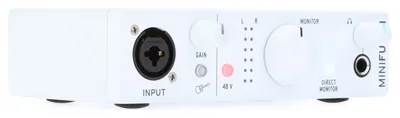
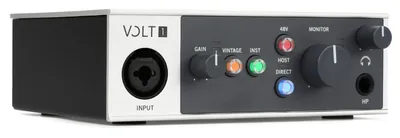
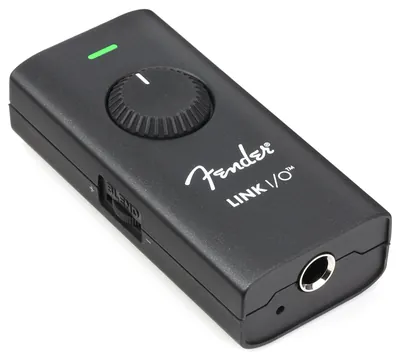
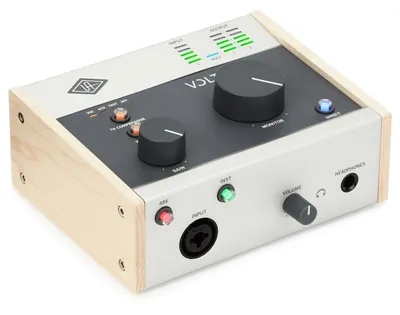
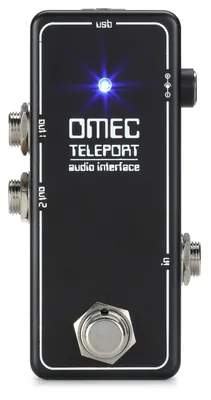
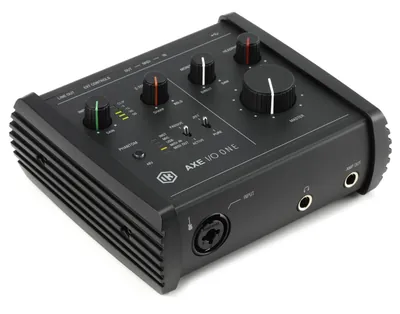
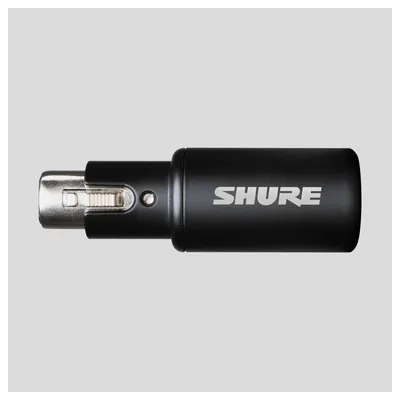
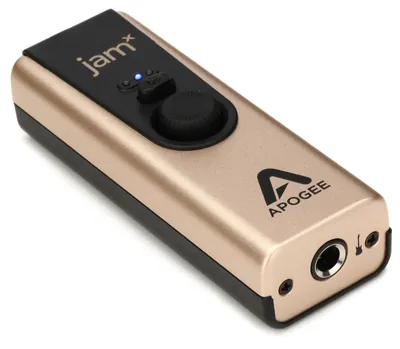

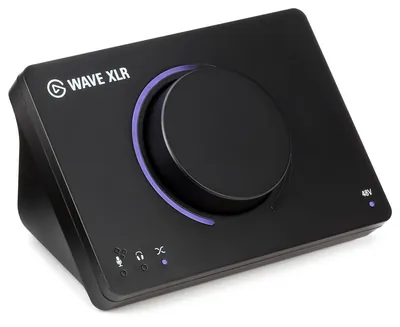
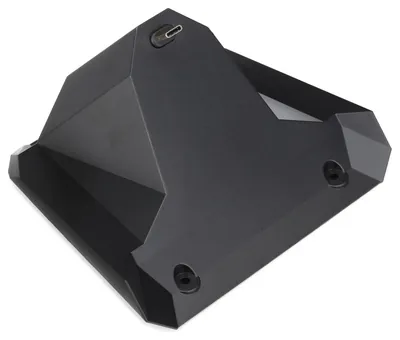
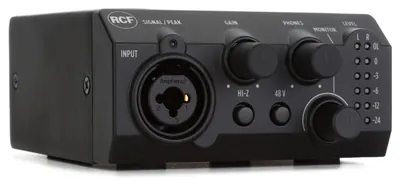
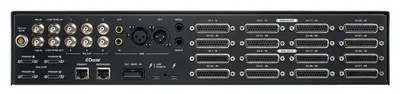 |  |  | |
|---|---|---|---|
| Analog inputs | 64 | 32 | 32 |
| Mic preamps | 0 | 0 | 0 |
| Instrument (Hi-Z) inputs | — not stated by the maker | 0 | 0 |
| Line outputs | 64 | 32 | 32 |
| Headphone outputs | 1 | — not stated by the maker | — not stated by the maker |
| Headphone mixes | 1 | — not stated by the maker | — not stated by the maker |
| MIDI | No | No | No |
| Connection | Thunderbolt / Dante | USB-C / Thunderbolt | Thunderbolt / Dante |
| Bus-powered | — not stated by the maker | — not stated by the maker | — not stated by the maker |
| Loopback | — not stated by the maker | — not stated by the maker | — not stated by the maker |
| Weight | ≈ 6.4 kg (14.1 lb)? | ≈ 3.4 kg (7.5 lb)? | ≈ 3.4 kg (7.5 lb)? |
| From | Thomann only | Thomann only | Thomann only |
| Where to buy |
Based on retailer reviews and bestseller ranks
#1
#2
#3
Focusrite Scarlett Solo 3rd Gen
Behringer U-Phoria UMC404HD Runner-up
Behringer U-Phoria UMC22 Runner-up
$44
$49
$53
Behringer U-Phoria UM2
M-Audio M-Track Solo Runner-up
Behringer U-Phoria UMC22 Runner-up
64inputs
32inputs
32inputs
Antelope Audio Galaxy 64 Synergy Core
Antelope Audio Orion 32+ | Gen 4 Runner-up
Antelope Audio Galaxy 32 Synergy Core Runner-up
$29per preamp
$34per preamp
$35per preamp
Behringer UMC1820 Wins 2 of 6
M-Audio M-Track Duo Runner-up
Behringer U-Phoria UMC404HD Runner-up
$229
$400
$549
Behringer UMC1820 Wins 2 of 6
Fender Studio Quantum LT 16 Runner-up
MOTU 8pre 16x12 Runner-up
$23
$25
$25
Behringer U-Phono UFO202
Behringer U-Control UCA222 Runner-up
Behringer U-Control UCA202 Runner-up
How common each feature is in each price band. Set a budget in Start here to see your column.
| Under $150<$150 | $150–299$150+ | $300–499$300+ | $500–999$500+ | $1,000+$1k+ | |
|---|---|---|---|---|---|
| MIDI in/out | |||||
| 2+ headphone outputs | |||||
| Runs on USB power | |||||
| Records at 192 kHz | |||||
| USB-C | |||||
| ADAT input (add 8 more) |
Tap a cell to see how many interfaces it counts.
Based on 153 interfaces with a US price · prices checked
Focusrite Scarlett 18i20 4th Gen
188
18 in the name, 8 analog inputs to plug into
Focusrite Scarlett 16i16 4th Gen
166
16 in the name, 6 analog inputs to plug into
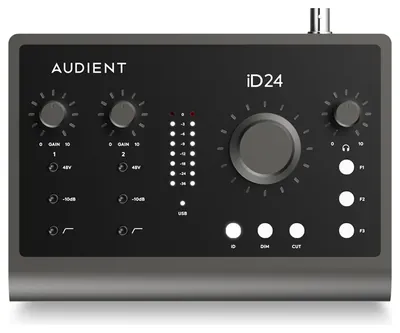
Audient iD24 10 x 14
102
10 in the name, 2 analog inputs to plug into
Behringer UMC1820
188
18 in the name, 8 analog inputs to plug into
Big numbers in a model name usually include digital channels that need extra gear. 4 in 5 interfaces with 8+ in the name have fewer inputs for mics, guitars and synths than the name suggests.
30 interfaces with a channel count in the name · inputs counted by us
63%
of 20,930 store reviews go to just 10 interfaces. Their median price is $92, against $395 for the whole market.
Review counts from store listings, mostly European · 170 interfaces with reviews
73%
of interfaces record at 192 kHz, including one at $86.90. Music is mostly made at 44.1 or 48 kHz, so 192 kHz isn’t worth paying extra for unless you intend to capture bat echolocation calls.
Of 193 interfaces with a known sample rate
Analog inputs · median price per input
Interfaces with 3–4 inputs cost the least per input ($99 each), less than 2-input ($107) or 1-input ($139) ones. If you might grow, one size up is good value.
151 interfaces with a US price
Every interface adds a little hiss when you turn a mic up. Makers publish a number for it, called EIN. The lower the number, the quieter the hiss (so −131 is quieter than −127).
Manufacturers don’t always use the same testing rules, so the numbers get dicey. We've bunched the audio interfaces into 4 categories to provide a fairer representation of their noise floor rating.
The bottom line? We could spend all day long arguing over which interfaces have a superior noise floor, but if you're a regular bedroom producer, we encourage you to not get caught up in the hype. On top of manufacturers using their own benchmarks (making it hard to truly compare across brands), for most people's circumstances, your ambient room noise is going to sit above the preamp's EIN noise floor anyway.
How to read this. Each bar is one interface. These are the makers’ own numbers, not our measurements. Tap a bar for details.
97 of the 101 published figures are charted · the other 4 use a different unit · 72 of 173 interfaces with a mic preamp publish no figure in any official document we have.
| Interface | Figure | Weighting | Source | Gain | Bandwidth |
|---|---|---|---|---|---|
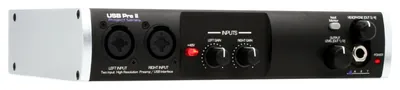
| ART USB Dual Pre | −120 dBu | not stated | not stated | max gain | not stated |
| ART USB II 2x4 | −128 dBu | not stated | not stated | not stated | not stated |
| ART USB IV 4x4 | −128 dBu | not stated | not stated | not stated | not stated |
| Antelope Audio Orion Studio Synergy Core | −128 dBu | not stated | not stated | not stated | not stated |
| Apogee BOOM 2x2 | −128 dB | A-weighted | 150 ohm | not stated | not stated |
| Apogee Duet 3 2x4 | −128 dB | unweighted | 150 ohm | not stated | not stated |
| Apogee Symphony Desktop 10x14 | −129 dB | unweighted | 150 ohm | not stated | not stated |
| Arturia AudioFuse Studio Rev2 | −129 dBu | unweighted | not stated | not stated | not stated |
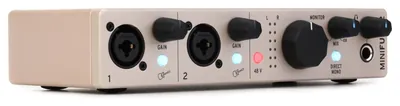
| Arturia MiniFuse 1 | −129 dB | A-weighted | not stated | not stated | not stated |
| Arturia MiniFuse 2 | −129 dB | A-weighted | not stated | not stated | not stated |
| Arturia MiniFuse 4 | −129 dB | A-weighted | not stated | not stated | not stated |
| Audient EVO 16 | −127.5 dBu | not stated | not stated | not stated | not stated |
| Audient EVO 4 | −128 dBu | not stated | not stated | not stated | not stated |
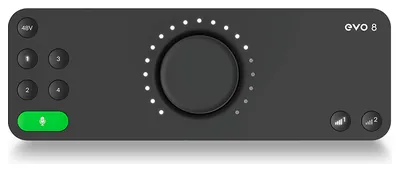
| Audient EVO 8 | −128 dBu | not stated | not stated | not stated | not stated |
| Audient ORIA | −129 dB | not stated | not stated | not stated | not stated |
| Audient iD14 MkII | −129 dB | A-weighted | not stated | not stated | not stated |
| Audient iD24 10 x 14 | −130 dBu | A-weighted | not stated | not stated | not stated |
| Audient iD48 | −127 dBu | not stated | not stated | not stated | not stated |
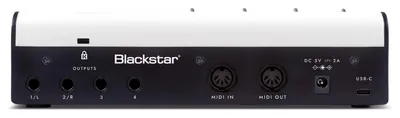
| Blackstar Polar 2 | −121 dBu | A-weighted | not stated | not stated | not stated |
| Blackstar Polar 4 | −121 dBu | A-weighted | not stated | not stated | not stated |
| Digital Audio Denmark AX Center Base | −131 dB | A-weighted | not stated | not stated | not stated |
| Elgato Wave XLR MK.2 | −130 dB | A-weighted | not stated | not stated | not stated |
| Fender Studio Quantum HD 2 | −130 dBu | A-weighted | 150 ohm | max gain | 20 kHz |
| Fender Studio Quantum HD 8 | −130 dBu | A-weighted | 150 ohm | max gain | 20 kHz |
| Fender Studio Quantum LT 16 | −128.6 dBu | not stated | not stated | not stated | not stated |
| Fender Studio Quantum LT 2 | −128.9 dBu | not stated | not stated | not stated | not stated |
| Fender Studio Quantum LT 4 | −128.9 dBu | not stated | not stated | not stated | not stated |
| Focusrite Clarett+ 2Pre | −129 dBu | not stated | not stated | not stated | not stated |
| Focusrite Clarett+ 4Pre | −129 dBu | not stated | not stated | not stated | not stated |
| Focusrite Clarett+ 8Pre | −129 dBu | not stated | not stated | not stated | not stated |
| Focusrite ISA C8X | −128 dB | A-weighted | not stated | not stated | not stated |
| Focusrite Red 16Line | −129 dBu | A-weighted | not stated | not stated | not stated |
| Focusrite Red 8Line | −129 dBu | A-weighted | not stated | not stated | not stated |
| Focusrite Scarlett 16i16 4th Gen | −127 dBu | A-weighted | not stated | not stated | not stated |
| Focusrite Scarlett 18i16 4th Gen | −127 dBu | A-weighted | not stated | not stated | not stated |
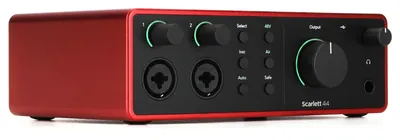
| Focusrite Scarlett 18i20 4th Gen | −127 dBu | A-weighted | not stated | not stated | not stated |
| Focusrite Scarlett 2i2 4th Gen | −127 dBu | A-weighted | not stated | not stated | not stated |
| Focusrite Scarlett 4i4 4th Gen | −127 dBu | A-weighted | not stated | not stated | not stated |
| Focusrite Scarlett 8i6 3rd Gen | −128 dBu | A-weighted | not stated | not stated | not stated |
| Focusrite Scarlett Solo 3rd Gen | −128 dBu | A-weighted | not stated | not stated | not stated |
| Focusrite Scarlett Solo 4th Gen | −127 dBu | A-weighted | not stated | not stated | not stated |
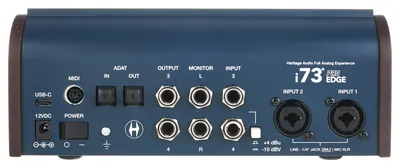
| Heritage Audio i73 Pro 2 | −125 dB | not stated | not stated | not stated | not stated |
| Heritage Audio i73 Pro Edge | −125 dB | not stated | not stated | not stated | not stated |
| Heritage Audio i73 Pro One | −125 dB | not stated | not stated | not stated | not stated |
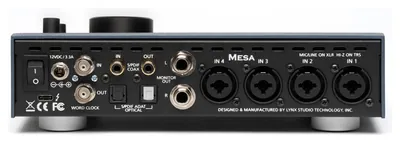
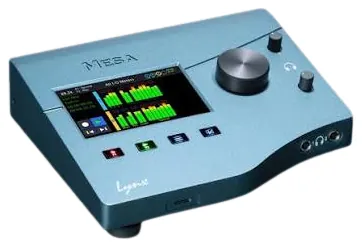
| Lynx Studio Technology Mesa | −129 dBu | A-weighted | not stated | 61.6 dB | not stated |
| M-Audio M-Track Duo | −128 dBu | A-weighted | 40 ohm | max gain | not stated |
| M-Audio M-Track Duo HD | −128 dBu | A-weighted | 40 ohm | max gain | not stated |
| M-Audio M-Track Solo | −128 dBu | A-weighted | 40 ohm | max gain | not stated |
| MOTU 10pre | −129 dBu | not stated | not stated | not stated | not stated |
| MOTU 828 | −129 dBu | not stated | not stated | not stated | not stated |
| MOTU 848 | −129 dBu | not stated | not stated | not stated | not stated |
| MOTU M2 | −129 dBu | not stated | not stated | not stated | not stated |
| MOTU M4 | −129 dBu | not stated | not stated | not stated | not stated |
| MOTU M6 | −129 dBu | not stated | not stated | not stated | not stated |
| MOTU OctaLite | −129 dBu | not stated | not stated | not stated | not stated |
| MOTU UltraLite AVB | −128 dBu | not stated | 150 ohm | not stated | 20 Hz - 20 kHz |
| MOTU UltraLite-mk5 18x22 | −129 dBu | not stated | not stated | not stated | not stated |
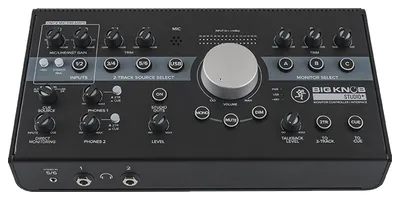
| Mackie Big Knob Studio | −125 dBu | A-weighted | 150 ohm | not stated | 22 kHz |
| Mackie Big Knob Studio+ | −125 dBu | A-weighted | 150 ohm | not stated | 22 kHz |
| Neve 1073DPX-D | −125 dBu | not stated | not stated | 60 dB | not stated |
| Neve 1073SPX-D Channel Strip | −125 dBu | not stated | not stated | 60 dB | not stated |
| PreSonus Quantum ES 2 | −129 dBu | A-weighted | 150 ohm | max gain | 22 kHz |
| PreSonus Quantum ES 4 | −129 dBu | A-weighted | 150 ohm | max gain | 22 kHz |
| Prism Sound Atlas | −127.8 dBu | not stated | 150 ohm | 60 dB | not stated |
| Prism Sound Titan | −127.8 dBu | not stated | 150 ohm | 60 dB | not stated |
| RCF TRK PRO1 | −120 dB | not stated | not stated | not stated | not stated |
| RCF TRK PRO2 | −120 dB | not stated | not stated | not stated | not stated |
| RME Digiface AES 14x16 | −129 dBu | A-weighted | 150 ohm | 60 dB | 20 Hz - 20 kHz |
| RME Fireface 802 FS | −131 dBu | A-weighted | 150 ohm | 54 dB | 20 Hz - 20 kHz |
| RME Fireface UCX II | −128 dBu | A-weighted | 150 ohm | 60 dB | 20 Hz - 20 kHz |
| RME Fireface UFX II | −129.8 dBu | A-weighted | 150 ohm | 60 dB | not stated |
| RME Fireface UFX III | −129.8 dBu | A-weighted | 150 ohm | 60 dB | not stated |
| RME MADIface XT II | −128.5 dBu | not stated | 150 ohm | 60 dB | not stated |
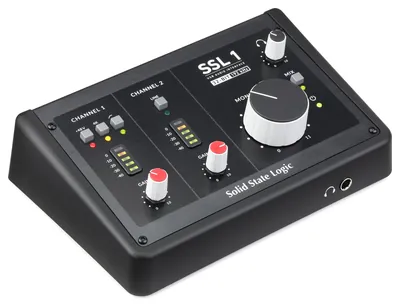
| Solid State Logic SSL 1 | −130.5 dBu | A-weighted | not stated | not stated | not stated |
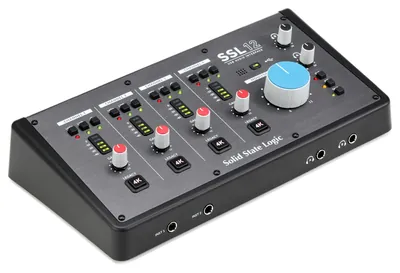
| Solid State Logic SSL 12 | −130.5 dBu | A-weighted | not stated | not stated | not stated |
| Solid State Logic SSL 18 | −130.5 dBu | A-weighted | not stated | not stated | not stated |
| Solid State Logic SSL 2 MKII 2 x 2 | −130.5 dBu | A-weighted | not stated | not stated | not stated |
| Solid State Logic SSL 2+ MkII | −130.5 dBu | A-weighted | not stated | not stated | not stated |
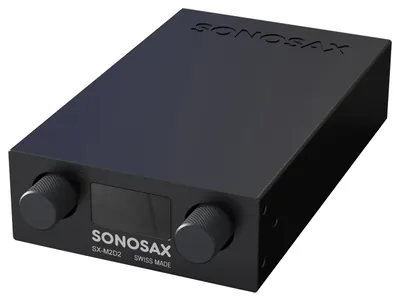
| Sonosax SX-M2D2 | −116 dBu | not stated | 150 ohm | not stated | 20 Hz - 20 kHz |
| Sound Devices USBPre 2 | −127 dBu | not stated | 150 ohm | max gain | 22 Hz - 22 kHz |
| TASCAM US-16x08 | −125 dBu | not stated | not stated | not stated | not stated |
| TASCAM US-2x2HR | −128 dBu | not stated | not stated | not stated | not stated |
| TASCAM US-4x4HR | −128 dBu | not stated | not stated | not stated | not stated |
| Tascam Series 102i | −129 dBu | not stated | not stated | not stated | not stated |
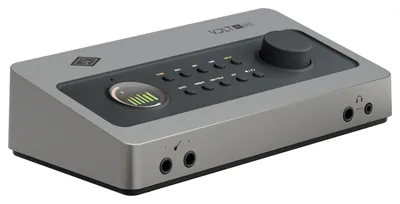
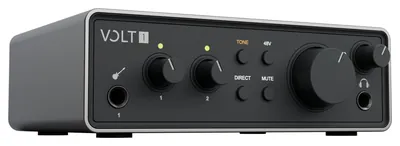
| Universal Audio Volt 1 | −127 dBu | A-weighted | 150 ohm | not stated | not stated |
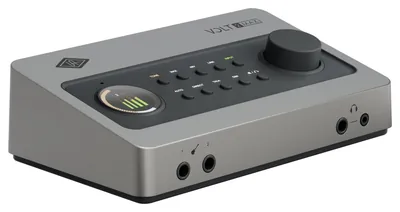
| Universal Audio Volt 176 | −127 dBu | A-weighted | 150 ohm | not stated | not stated |
| Universal Audio Volt 2 | −127 dBu | A-weighted | 150 ohm | not stated | not stated |
| Universal Audio Volt 2 Gen 2 | −127 dBu | not stated | 150 ohm | not stated | not stated |
| Universal Audio Volt 276 | −127 dBu | A-weighted | 150 ohm | not stated | not stated |
| Universal Audio Volt 476 | −127 dBu | A-weighted | 150 ohm | not stated | not stated |
| Universal Audio Volt 476P | −127 dBu | A-weighted | 150 ohm | not stated | not stated |
| XVive More You Hub | −128.5 dBu | A-weighted | not stated | not stated | not stated |
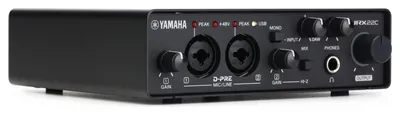
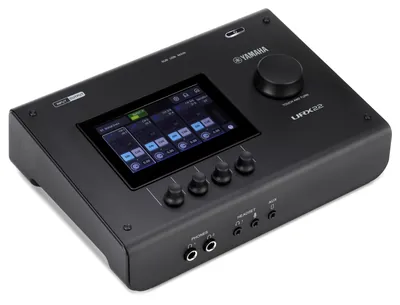
| Yamaha URX22 | −128 dBu | A-weighted | not stated | not stated | not stated |
| Yamaha URX44 | −128 dBu | A-weighted | not stated | not stated | not stated |
| Yamaha URX44V | −128 dBu | A-weighted | not stated | not stated | not stated |
| Zoom U-24 | −119.5 dB | not stated | 150 ohm | 43 dB | not stated |
| Zoom UAC-232 | −127 dBu | not stated | not stated | not stated | not stated |
Makers show the biggest number they can. The Audient iD14 MkII is sold as 10 in. It has 2 analog inputs, which is what you can plug mics, guitars and synths into. The other 8 are ADAT channels. ADAT needs a separate preamp unit, so you can’t use them on their own. We show the real number first, then the extras next to it: 2 analog in, +8 ADAT. Software loopback channels and talkback mics never count.
Every interface follows the same written definitions, which you can read in the tooltips. When we can’t confirm a spec, the card shows a dash. That means the maker’s documents we checked don’t give a clear figure. It does not mean the interface lacks it.
Specs come from the maker’s own pages, manuals and spec sheets when we add an interface. We check them against store listings, and where the two disagree, we go with the maker. Specs don’t change once an interface is on sale, so we don’t re-date them; prices and stock are checked every day.
Driver support changes, so confirm on the maker’s site before you buy. Think something is missing?
Every USB or Thunderbolt audio interface that works on its own for recording music, from 1 input to 30 or more. We leave out mixers, field recorders and podcast desks (even with USB audio), network-only units (Dante, AVB), converters with no analog inputs, and expansion units that need another interface to work. Think something’s missing? Suggest a product.
Loopback (recording your computer’s sound along with your mic) comes from the maker’s software, not the interface itself, and makers often only build it for one system. That’s why each card says which systems it works on. On a Mac, third-party apps can add loopback to almost any interface.
We show the makers’ hiss numbers in the charts above, but we don’t use them as a sorting factor in our tool, because it’s just too unreliable of a metric. 101 of the 173 interfaces with a mic preamp publish an EIN figure, while only 24 explain how they tested it, and different tests can change the number by several dB, which would unfairly influence who gets top spot.