- Learn about the different types of guitar necks available.
- Gain insight into how various kinds of wood affect tone.
- Find the right profile neck for your playing style.
Your choice of guitar is very personal, and many factors influence the decision. The type of music you play, the sound or tone you wish to achieve, and the ease you can play are all contributing factors.
The neck of your guitar plays a pivotal role in determining a guitar’s playability, tone, and overall feel.
In this comprehensive guide, we will delve into the world of guitar neck types, exploring the options available regarding shape, wood, and profile.
Whether you’re a seasoned guitarist or a beginner looking to purchase your first guitar, understanding the nuances of guitar neck construction is essential for making an informed choice.
While you’re here, consider also checking out our guides to:
Guitar Neck Shapes (profiles)

When we talk about the “shape” or profile of a guitar neck, we refer to the shape of the cross-section if we cut through the neck parallel to the frets.
There are four main neck shapes available for guitars:
- C-shape
- D-shape
- V-shape
- U-shape
Asymmetrical necks are another type but are generally only an option with custom-made guitars.
Electric guitar manufacturers will offer a choice of neck shape for a specific model. For example, my 1994 Japanese Fender Stratocaster has a distinct hard V-shape (early 1950s), whereas my 2018 Fender Stratocaster (70s Re-issue) has a classic C-shape.
Acoustic guitar manufacturers offer shape variation between models. In fact, neck shape is often a reason to consider an alternative model of an acoustic guitar.
For example, I chose a Gibson Humming Bird deluxe as my main studio acoustic for its classic D-shaped neck. The cheaper J-45 has a slim taper neck, so small-handed players may appreciate the $1000 saving by going for that option.
C-shaped Neck

The C-shaped neck is perhaps the most common and versatile neck profile. Its contour resembles the letter “C” and provides a comfortable grip for most players. This neck type is often found on Fender guitars and is known for its all-around playability. The C-shape has a modern C-shape variation, which feels flatter in the hand.
pros
- Feels smaller in the hand, so it’s great for smaller-handed players.
- Easy to play faster scales
- Great string control when bending
- Great for Blues, rock, and country licks and solos
Cons
- Maybe too small for larger-handed players
- Can be a little small for rhythm players
D-shaped Neck

The D-shaped neck, as the name suggests, has a profile resembling the letter “D.” It typically offers more substantial shoulders and a slightly flatter back, providing a comfortable resting place for your thumb.
Gibson guitars often feature D-shaped necks, offering a different playing experience than C-shaped ones as they feel more substantial in your hand. You can look for slim taper D-shape necks for a halfway house between the Classic C-shape and the Full D-shape.
pros
- A classic D-shape feels weighty in your hand. (Great for larger-handed players)
- Great fit for classic rock and power chords
- Superb tone for open chords
Cons
- Can feel a bit club-like, to begin with
- Not the best for shredding
- Difficult for small-handed players
V-shaped Neck

The V-shaped neck is characterized by its V-shaped contour running along the back of the neck. This design can be further categorized into soft V and hard V profiles.
V-shaped necks originated in the 1950s and are often favored by blues and rock players who appreciate the added grip, fret access, and vintage feel they provide.
pros
- A classic V-shape feels thin and light in the hand. (Great for smaller-handed players)
- Perfect for players who like to rest their thumbs on the back of the neck or hook their thumbs over the top of the neck
- Great for fast soloing and shredding.
Cons
- Can feel a bit thin, to begin with
- Difficult for large-handed players
U-shaped Neck

U-shaped necks have a rounded, full profile, making them a favorite among players with larger hands or prefer a more substantial grip. These necks are commonly associated with vintage guitars and offer a unique feel that some players find exceptionally comfortable. The U shape offers a larger flat area for thumbs to rest on. The U-shape is the most substantial of neck shapes.
pros
- A classic U-shape feels heavier and very clublike, so it’s great for those with long fingers and very large hands.
- Perfect for players who like to rest their thumbs on the edge of the neck
Cons
- Can feel very heavy and thick
- Impossible for small-handed players
Guitar Neck Woods: How to choose the right one.
The type of wood used in a guitar neck significantly impacts its tonal characteristics, weight, and stability. Different woods are chosen for neck construction to achieve specific sonic qualities. More exotic woods are often used for aesthetic reasons. With many exotic woods banned from export, some vintage woods are becoming very sought after.
Maple Neck
Maple is popular for guitar necks due to its bright, crisp tone. It is known for its stability and durability, making it resistant to warping and climate-related issues. Many electric guitars, including Fender Stratocasters, feature maple necks. Very exotic designs may use Flame maple, like Mark Knopfler’s Schecter pictured below.

Maple Guitar Neck Characteristics
- Excellent sustain
- Bright tone
- Very Strong.
- Mahogany Neck
Mahogany is a dense and resonant wood often used to construct guitar necks. Its warm and rich tones are favored, making it a common choice for Gibson Les Paul models.
Mahogany necks are often paired with mahogany bodies for a consistent tonal character. Mahogany is also a favorite for high-end acoustics guitars.
Mahogany Guitar Neck Characteristics
- Rich tone
- Warm bass frequencies
Rosewood Neck
Rosewood necks are chosen for their smooth feel and excellent sustain. They are commonly found in acoustic guitars and some electric models. The dark grain of rosewood adds an aesthetic dimension to any guitar’s appearance.
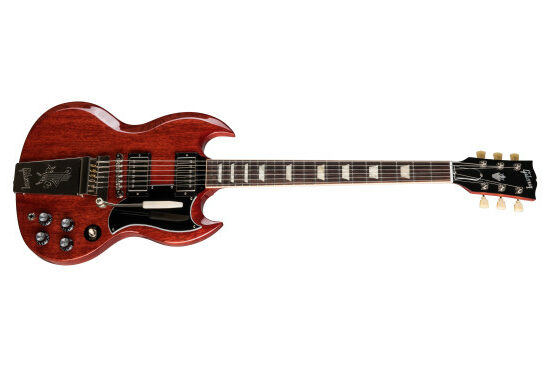
Rosewood Guitar Neck Characteristics
- Rigid and stable wood
- Nice rich, shimmering overtones
- Watch Phillip Mcknight comparing his solid rosewood and solid maple neck guitars.
Ebony Neck
Ebony is a premium wood often used for fingerboards. A maple neck may be fitted with an ebony (or Rosewood) fingerboard. However, occasionally, ebony finds its way into neck construction.
Ebony is known for its sleek, smooth texture and excellent note definition. Guitars with ebony necks tend to be high-end instruments favored by discerning players. An example can be seen below with Suhr’s beautiful £3.5K Pete Thorn model.

Wrapping Up
The fretting hand is the “voice” of the guitar as it creates the notes, vibrato, and bends. Therefore, the neck is the interface between your fingers and the notes you want to play. Understanding the various guitar neck types, shapes, woods, and profiles is crucial for selecting the perfect guitar that suits your playing style and preferences.
Whether you seek the fast and sleek feel of a slim-profile neck or the chunky, resonant vibe of a U-shaped neck, there’s a guitar neck designed to complement your musical style.
By considering these factors and trying out different neck types, you can find a guitar that will sound the best it can.